
Why You Feel Mentally Exhausted Even When You’re Not Busy
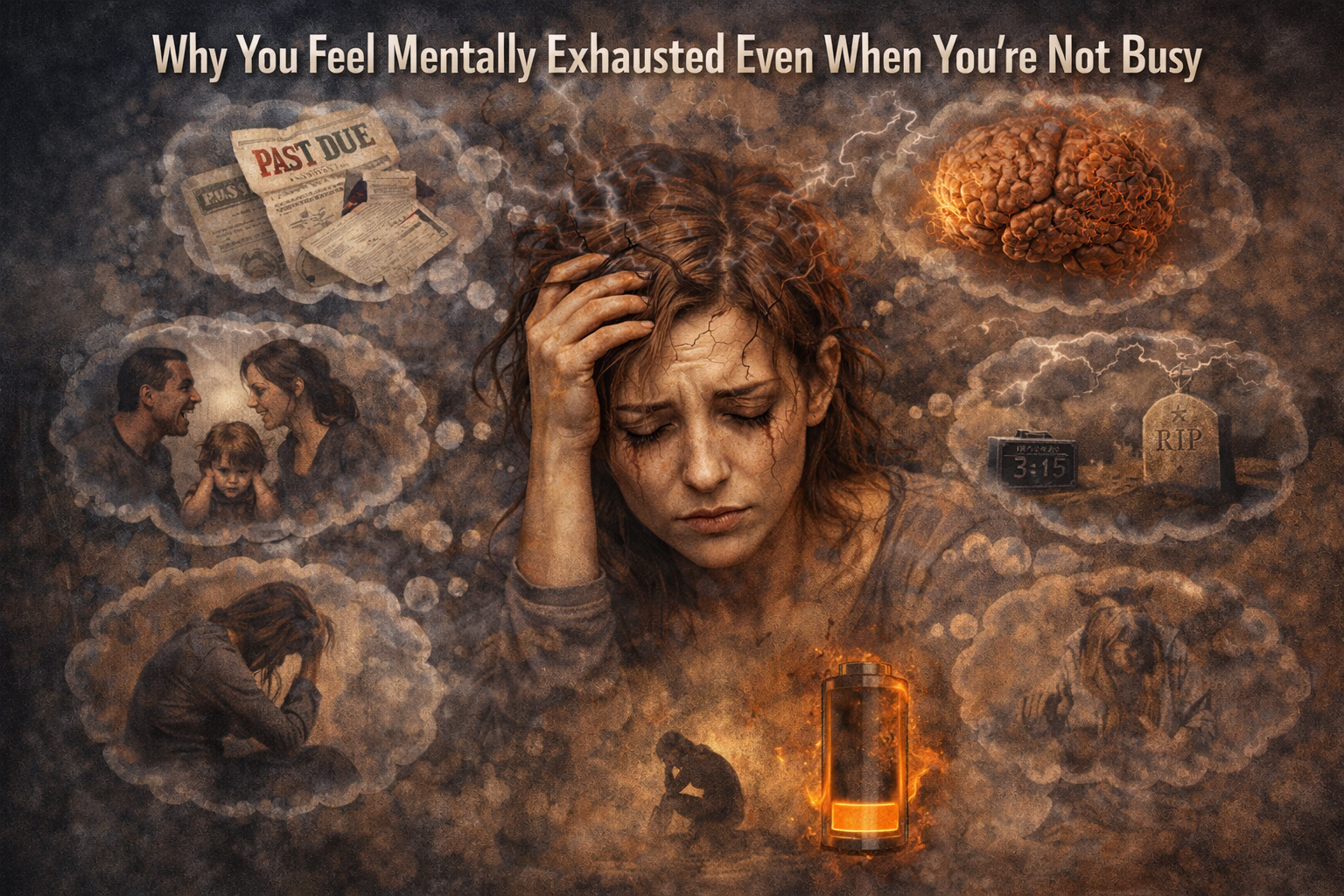
There are days when your schedule is not full, your workload is manageable, and nothing particularly stressful is happening, yet you still feel completely drained.
You may struggle to focus, feel unmotivated, or find even simple tasks overwhelming. Rest does not feel refreshing. Instead, there is a lingering sense of mental fatigue that is hard to explain.
This experience can be confusing, especially when it does not match your level of activity. But mental exhaustion is not only caused by how busy you are. It is often the result of emotional load, nervous system strain, and ongoing internal processing.
At Let’s Talk 4 Health, we often help individuals understand why their energy feels depleted even during quieter periods. You can learn more about our approach to emotional wellbeing by visiting our home page.
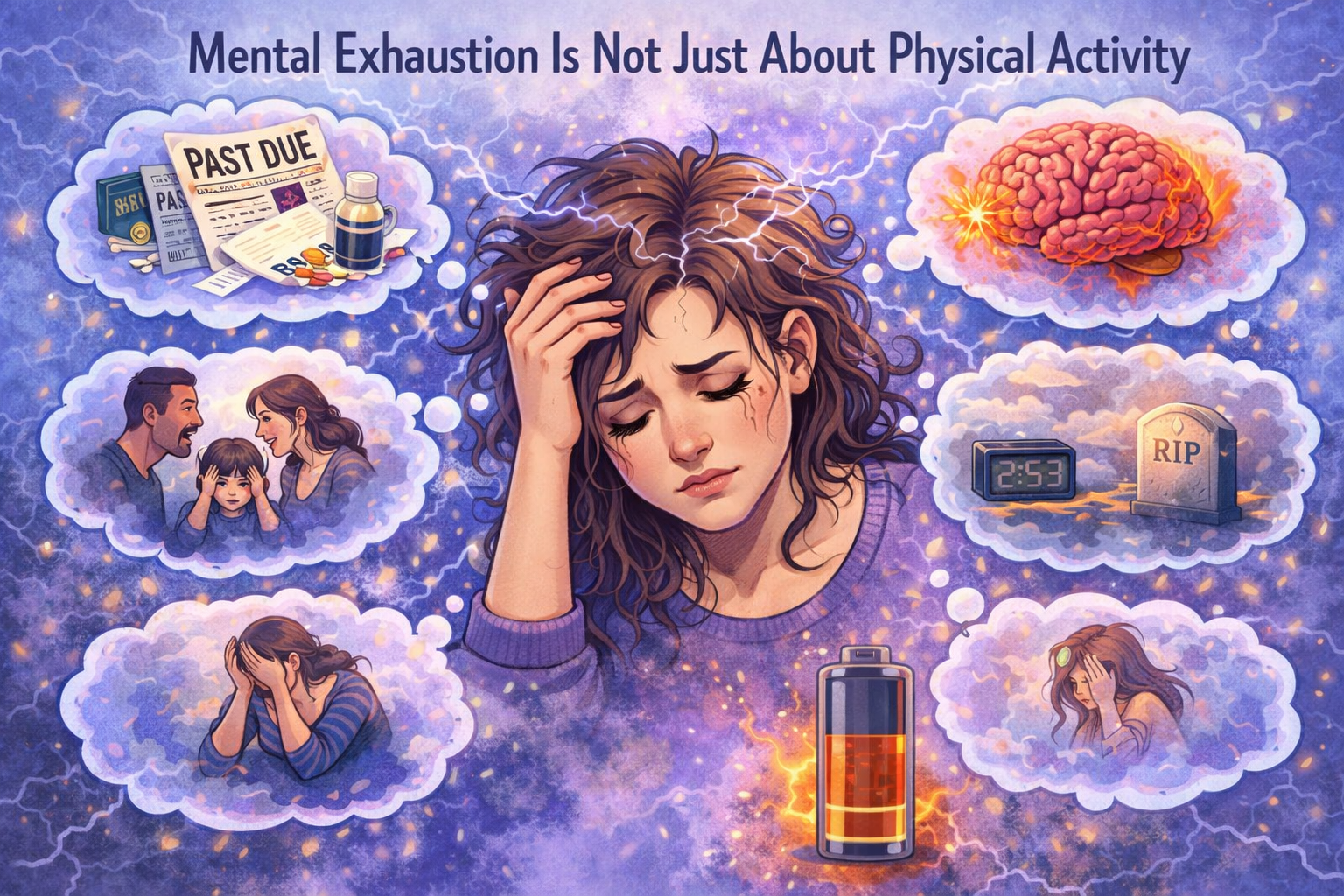
Mental Exhaustion Is Not Just About Physical Activity
It is common to associate tiredness with physical effort or a packed schedule. However, the brain uses energy in different ways.Mental fatigue often comes from:Ongoing stress or worryEmotional processingDecision making and responsibilityInternal pressure and expectationsUnresolved thoughts or experiencesEven when your day looks “light,” your mind may still be working hard in the background.If this pattern feels familiar, support through Florida online mental health counseling can help identify what your system is carrying.
The Hidden Weight of Emotional Exhaustion
Emotional exhaustion builds gradually. It often develops when feelings are consistently managed, suppressed, or postponed.This might include:Holding in frustration or sadnessManaging other people’s emotionsStaying composed under pressureAvoiding difficult conversationsOver time, this emotional effort accumulates. Even when external demands decrease, the internal load remains.This is why you may feel tired without a clear reason. Your system has been processing more than you realize.
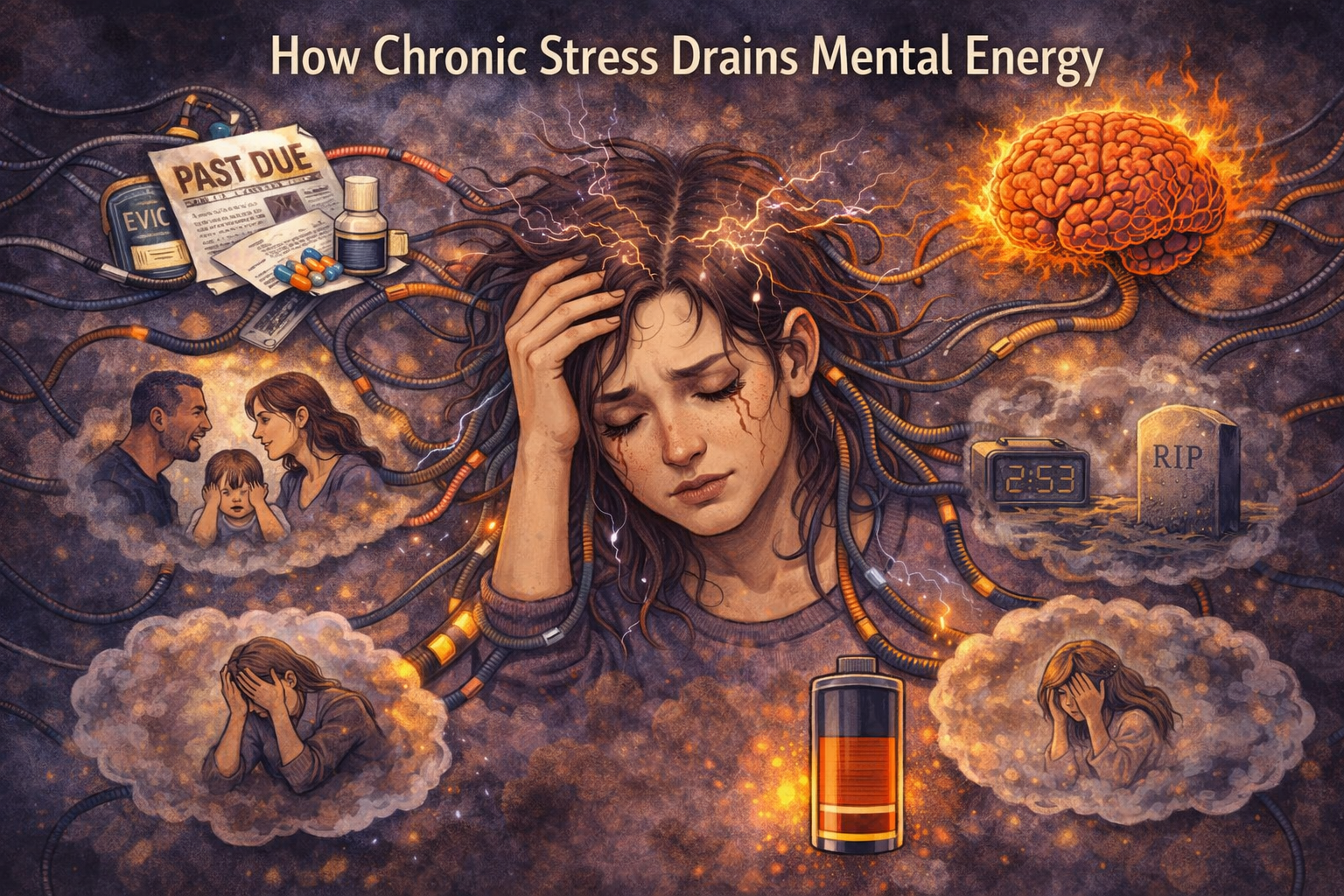
How Chronic Stress Drains Mental Energy
When the nervous system is under ongoing stress, it stays in a state of alert. This uses energy continuously, even when you are not actively doing anything.You may notice:Feeling “on edge” without knowing whyDifficulty relaxingRacing thoughts or mental noiseLow energy despite restThis is not just fatigue. It is nervous system depletion.Learning how to regulate this state is a key part of recovery through Florida telemental health therapy.
The Impact of Unfinished Mental Loops
Your brain is constantly tracking unfinished tasks, unresolved conversations, and unanswered questions. These are often called open loops.Examples include:Things you need to do laterConversations you are replayingDecisions you have not madeWorries about the futureEven if you are not actively thinking about them, your brain is still holding them in the background.This ongoing tracking consumes mental energy and contributes to fatigue.Many individuals learn how to manage mental load more effectively through online therapy in Florida.
Why Rest Does Not Always Feel Restful
If your nervous system is still activated, rest may not feel like true recovery.You may:Sit down to relax but feel restlessScroll on your phone without feeling refreshedTry to sleep but have racing thoughtsThis happens because the body has not fully shifted into a regulated state.Rest becomes restorative when the nervous system feels safe enough to slow down. Many clients develop this capacity through Florida telemental health services.
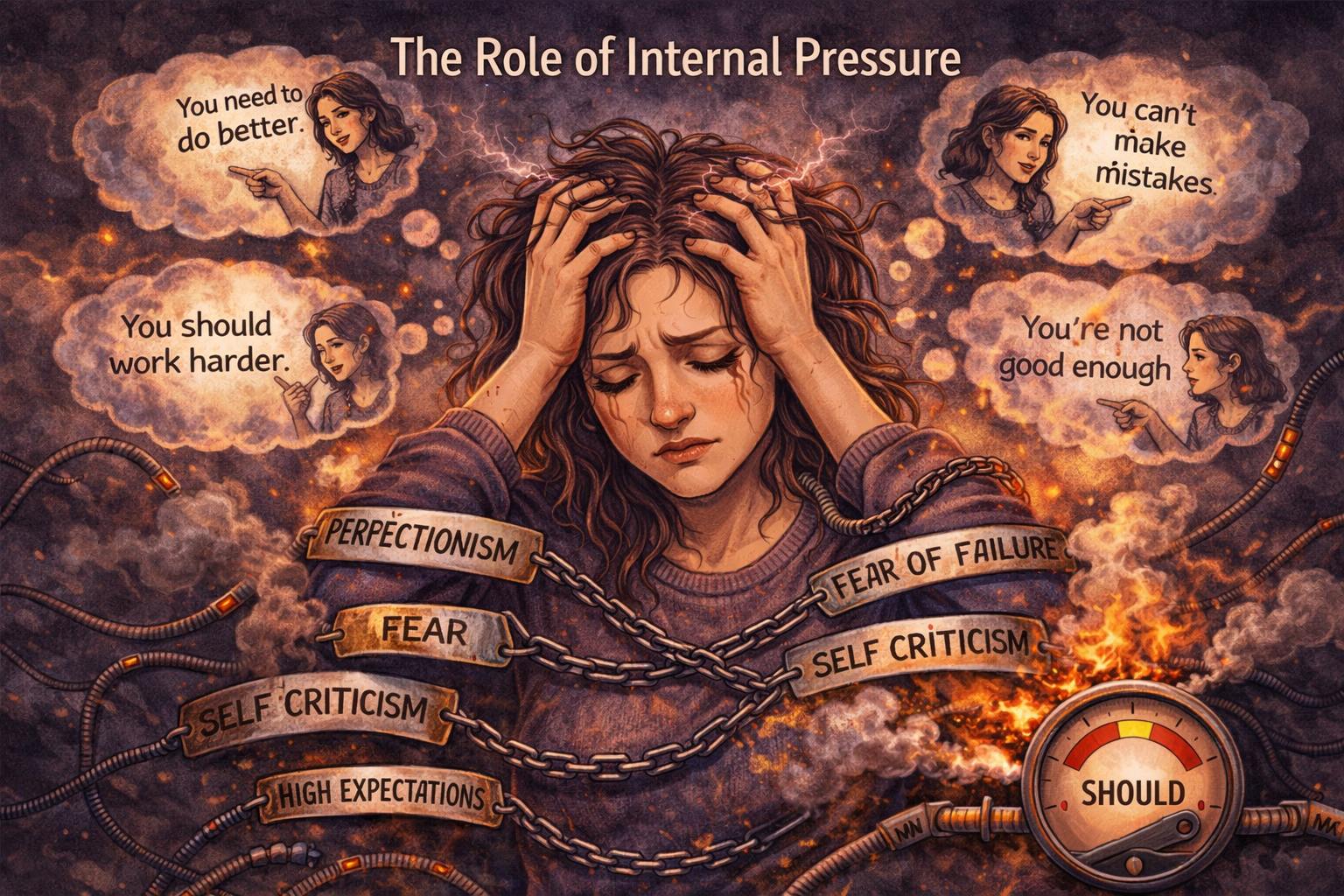
The Role of Internal Pressure
Mental exhaustion is often linked to internal expectations.You may be thinking:“I should be doing more”“I’m falling behind”“I need to stay productive”Even when you are not busy, these thoughts create pressure. The brain responds as if there is ongoing demand, which continues to drain energy.Reducing internal pressure is just as important as reducing external workload.
Low Mood and Mental Fatigue
Mental exhaustion and low mood often overlap. When energy is depleted, motivation decreases. When motivation decreases, it becomes harder to engage in activities that restore energy.This creates a cycle:Low energy leads to less activityLess activity leads to lower moodLower mood increases fatigueBreaking this cycle requires small, manageable shifts rather than large changes.
Practical Ways to Restore Mental Energy
Restoring mental energy involves both reducing load and supporting regulation.
1. Externalize Your Thoughts
Write down tasks, worries, and ideas instead of holding them mentally. This reduces cognitive load.
2. Create Clear End Points
Give yourself permission to stop tasks rather than leaving everything open ended.
3. Build True Rest Into Your Day
Rest that supports recovery includes low stimulation activities, not just passive distraction.
4. Reduce Internal Expectations
Adjust what “enough” looks like based on your current capacity.
5. Support Your Nervous System
Use grounding, breathing, and gentle movement to shift out of constant alert.For individuals seeking structured support in managing energy and expectations, online mental health coaching in Florida can help.
When Mental Exhaustion Needs Extra Support
If mental fatigue persists, worsens, or affects your ability to function, professional support can help you understand the deeper causes.You can review common questions about starting therapy on our telehealth therapy FAQs page. If you are ready to begin, you can reach out through our contact page for anxiety and depression support.
Why Choose Let’s Talk 4 Health
Let’s Talk 4 Health offers compassionate, evidence based care for individuals experiencing mental fatigue, emotional exhaustion, and nervous system stress. With over 35 years of experience, Michelle Albo, LMHC, MCAP, CTP, leads the practice with a focus on sustainable emotional wellbeing.You can learn more about our providers by visiting our meet our team page. For information on confidentiality and privacy, please review our privacy policy.
Your Mind Can Be Tired Even When Your Day Is Not
Mental exhaustion is not always visible. It does not require a full schedule or obvious stress.It often reflects what your system has been carrying quietly.With awareness, gentle adjustments, and support, your energy can begin to return. Not by pushing harder, but by understanding what your mind and body actually need.