
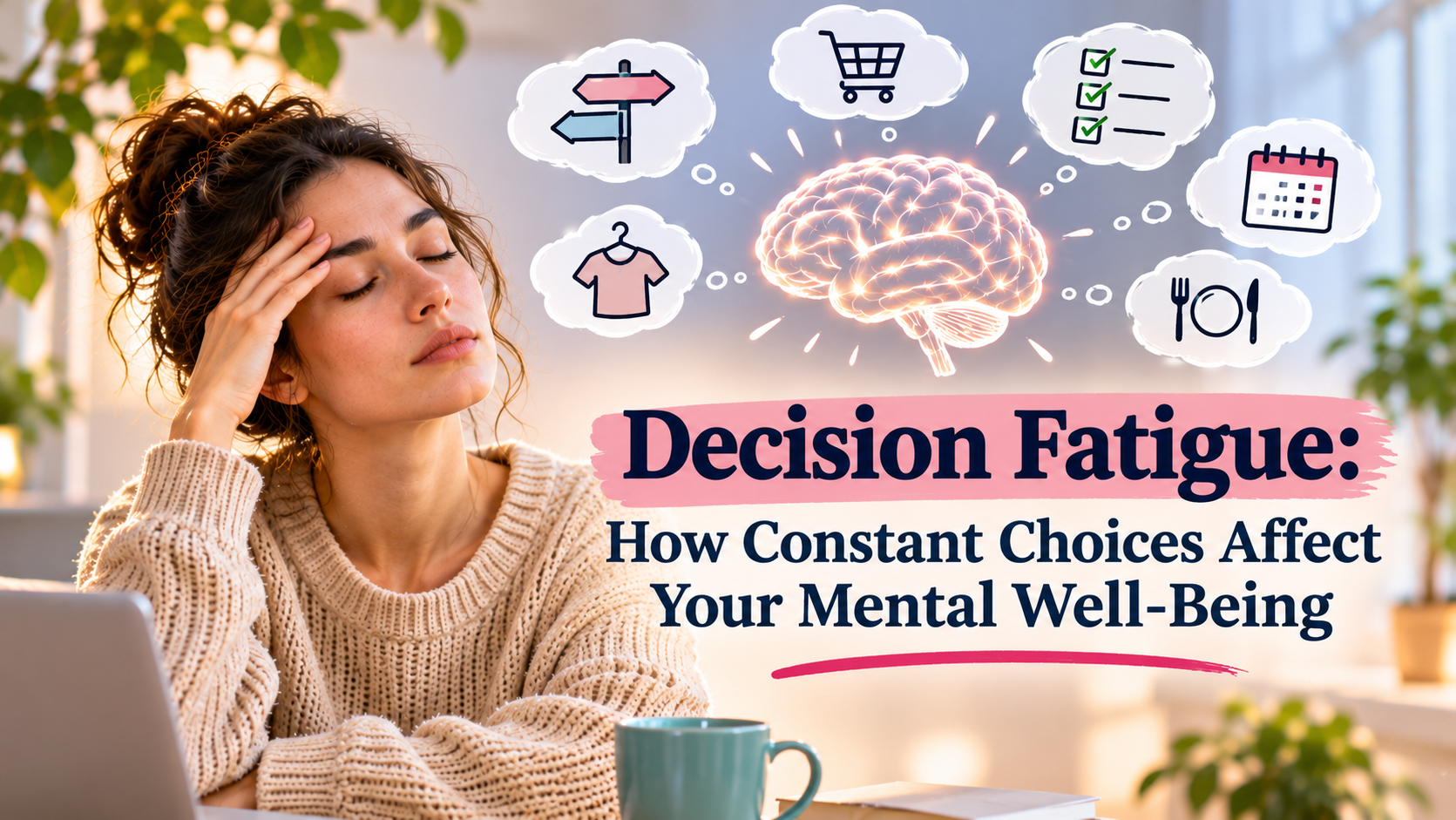
Have you ever reached the end of a busy day and felt completely exhausted by even the smallest decisions? Choosing what to eat, responding to messages, deciding what to wear, or figuring out what needs to be done next can suddenly feel overwhelming.
You may wonder why simple choices seem so difficult when you have already managed so many responsibilities throughout the day. One possible explanation is decision fatigue.
Decision fatigue describes the mental exhaustion that can develop after making repeated decisions. When your day is filled with choices, responsibilities, and competing priorities, it can become harder to think clearly and make decisions confidently.
Understanding decision fatigue can help you recognize its effects, reduce unnecessary mental pressure, and protect your emotional well-being.
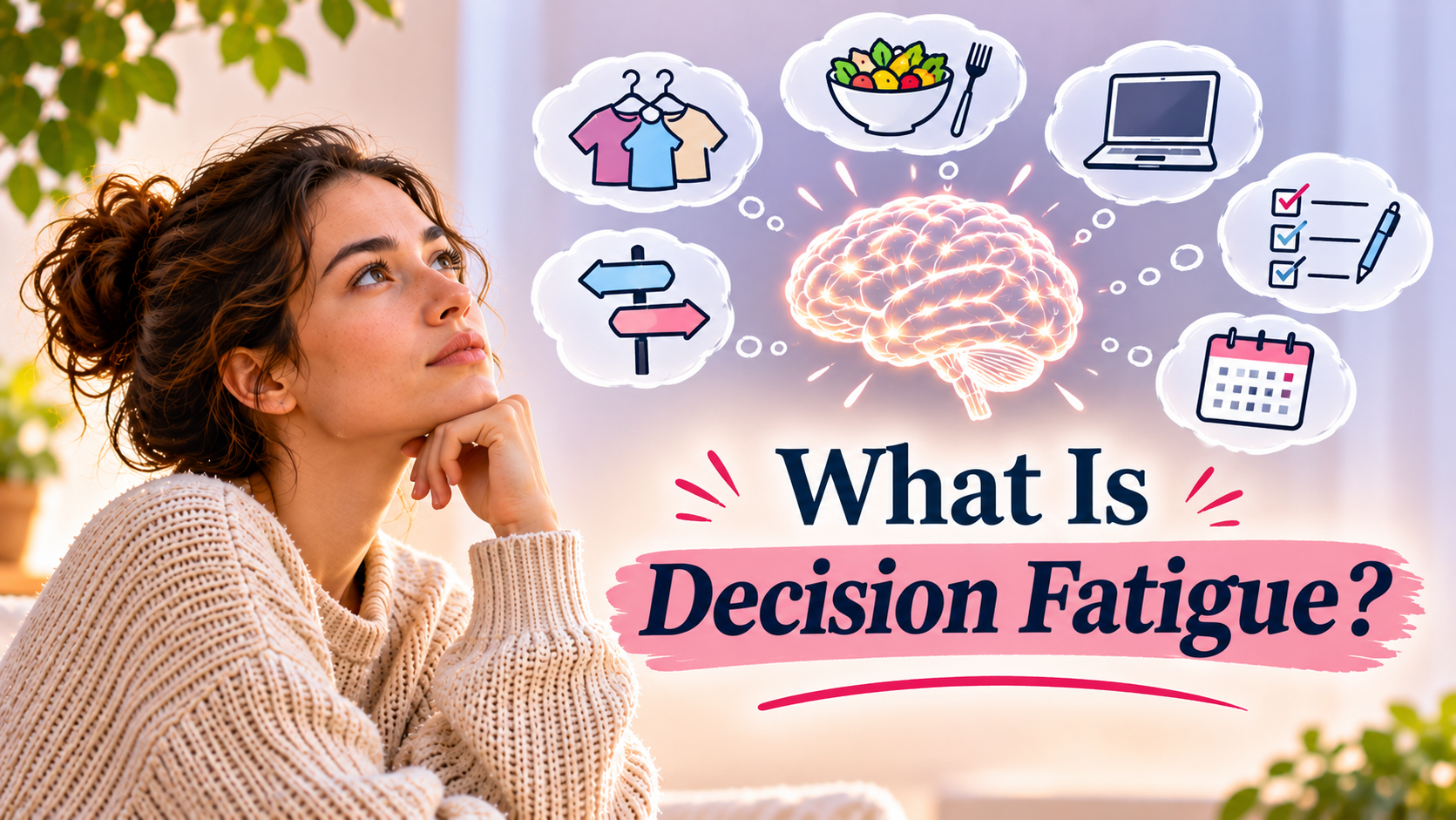
What Is Decision Fatigue?
Decision fatigue refers to the difficulty people may experience when they have made many decisions or spent extended periods weighing different options.
Everyday life requires constant choices. Some are minor, while others involve important responsibilities, relationships, finances, or personal goals.
Over time, repeatedly evaluating options can feel mentally demanding. You might begin avoiding decisions, choosing whatever seems easiest, or feeling frustrated when someone asks you another question.
Decision fatigue is not a formal mental health diagnosis. However, the experience can affect your daily routine, concentration, and emotional well-being.
Common Signs of Decision Fatigue
Decision fatigue does not look the same for everyone. Some people become indecisive, while others make rushed choices simply to avoid thinking about another option.
Common signs include:
Difficulty making simple choices: Even everyday decisions feel complicated.
Mental exhaustion: You feel drained after handling routine responsibilities.
Procrastination: You postpone decisions because choosing feels overwhelming.
Irritability: Small questions or requests make you feel frustrated.
Impulsive choices: You choose quickly just to finish making a decision.
Overthinking: You repeatedly question whether you made the right choice.
Avoidance: You allow other people to decide because you feel mentally tired.
Recognizing these patterns can help you understand when your mind needs a break.
Why Constant Choices Can Affect Your Mental Well-Being
1. Too Many Responsibilities Compete for Your Attention
Work deadlines, family responsibilities, household tasks, and personal commitments can create a continuous stream of decisions.
You may spend the morning organizing work, the afternoon managing unexpected problems, and the evening deciding what everyone needs at home.
Even when individual choices seem small, the overall demand can leave you feeling overwhelmed.
2. Perfectionism Makes Decisions More Difficult
If you feel pressure to make the best possible choice every time, even minor decisions can become stressful.
You might compare every option, worry about possible consequences, and replay your choices afterward.
Instead of helping you feel confident, this constant evaluation can increase anxiety and make it harder to move forward.
3. Digital Overload Creates More Choices
Modern technology gives us endless options. Social media, online shopping, emails, notifications, and news updates constantly compete for attention.
You may spend more time deciding what to watch, what to buy, what to read, or how to respond than you realize.
Reducing unnecessary digital choices can help create more mental space.
4. Emotional Stress Makes Decisions Feel Heavier
When you are already dealing with anxiety, relationship difficulties, grief, or uncertainty, everyday choices may feel more demanding.
A stressful situation can occupy your thoughts even when you are trying to focus on something else.
If emotional pressure is affecting your daily life, exploring Florida online mental health counseling may help you understand your experiences and develop healthier ways to cope.
How Decision Fatigue Can Affect Your Relationships
Mental exhaustion does not always stay at work or within your personal thoughts. It can influence how you interact with people around you.
You might become impatient when someone asks what you want for dinner, avoid discussing important plans, or feel frustrated when others expect you to make every decision.
Over time, this can create misunderstandings.
Explaining that you feel mentally overwhelmed can help loved ones understand what is happening. Sharing responsibilities and making everyday decisions together may also reduce unnecessary pressure.
Practical Ways to Reduce Decision Fatigue
You cannot eliminate every decision from your life, but you can make your routine less mentally demanding.
1. Simplify everyday choices. Create regular routines for meals, clothing, shopping, and other repeated activities.
2. Prioritize important decisions. Identify which choices genuinely need your attention and which can wait.
3. Set limits on small decisions. Give yourself a reasonable amount of time to choose instead of comparing every possibility.
4. Reduce unnecessary notifications. Limit digital distractions and check messages at specific times when possible.
5. Share responsibilities. You do not have to organize every household or family decision yourself.
6. Take regular breaks. Step away from work, screens, and responsibilities to give yourself time to recharge.
7. Accept good enough. Not every decision needs to be perfect. Sometimes a reasonable choice is all you need.
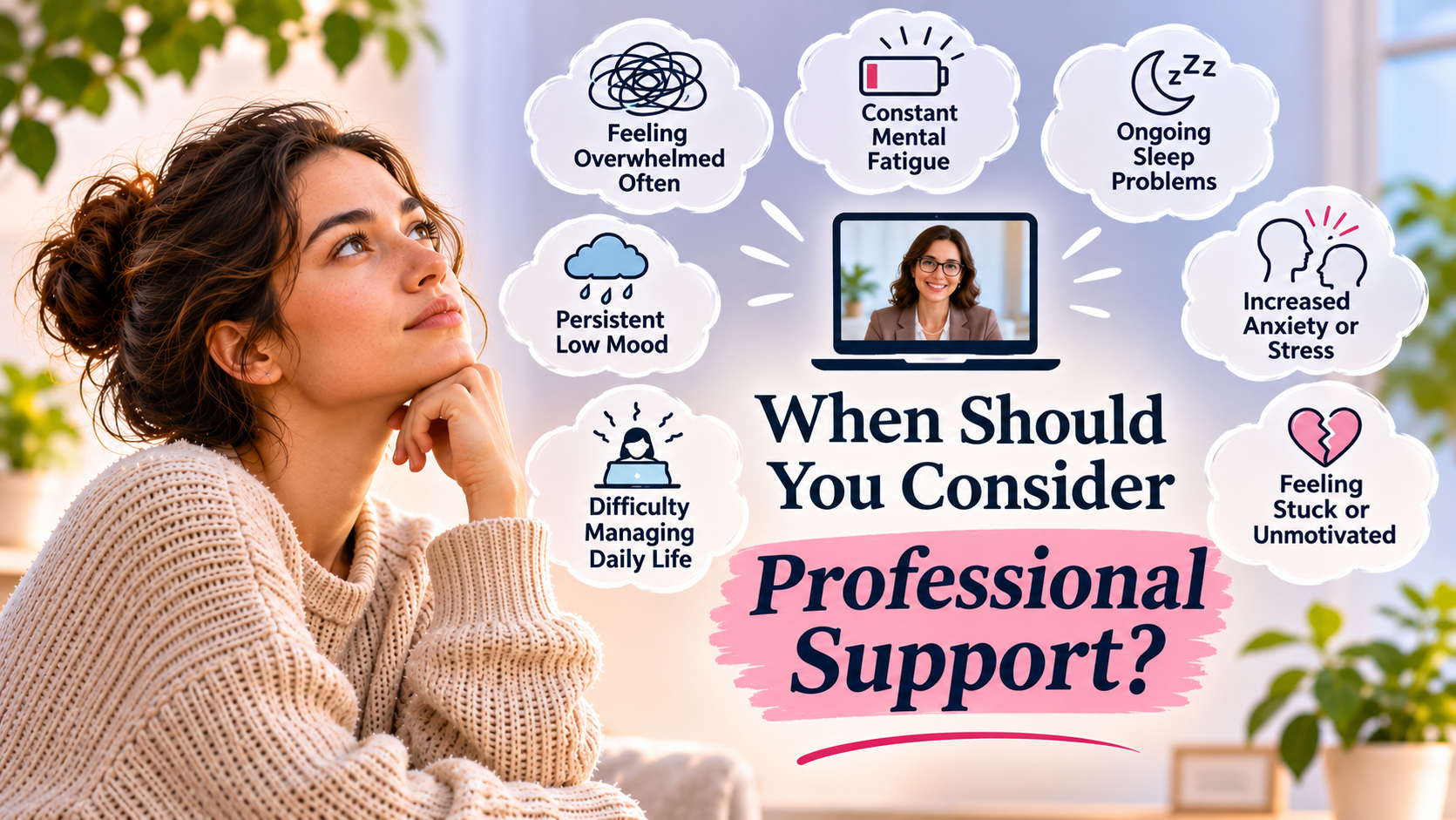
When Should You Consider Professional Support?
Occasional difficulty making decisions is a normal part of life. However, if mental exhaustion, anxiety, indecisiveness, or persistent stress begins interfering with your relationships, work, or daily responsibilities, additional support may be helpful.
A mental health professional can help you explore the factors contributing to your stress, recognize unhelpful thought patterns, and develop practical coping strategies.
Through online therapy and counseling, you can learn about virtual support options without needing to travel to an office.
At Let's Talk 4 Health, you can explore mental health services and learn more about support available in Florida.
Frequently Asked Questions
Is decision fatigue the same as burnout?
No. Decision fatigue describes mental difficulty associated with repeated choices. Burnout is a broader experience involving ongoing work-related stress and exhaustion. They can sometimes occur together.
Can decision fatigue cause anxiety?
Decision fatigue is not itself an anxiety disorder. However, repeated indecision, pressure, and worry about making mistakes may contribute to feelings of stress and anxiety.
Why do I struggle to make decisions at night?
You may have already spent much of the day managing responsibilities and processing information. By evening, you may have less patience or energy for additional choices.
How can therapy help with decision fatigue?
Therapy can help you explore perfectionism, anxiety, stress, and other patterns that make decisions difficult. You can also work on boundaries, coping strategies, and healthier routines.
For more information, visit the telehealth therapy FAQs.
Give Your Mind Permission to Slow Down
Constant decision-making can make even ordinary days feel exhausting. You do not have to respond to every message immediately, solve every problem at once, or make the perfect choice every time.
Start by simplifying small decisions, sharing responsibilities, and allowing yourself time to rest. These changes may seem simple, but they can make everyday life feel more manageable.
If you find that ongoing stress or indecision is affecting your emotional well-being, professional support may help you understand what you are experiencing.
Explore online mental health counseling in Florida, learn more about the team at Let's Talk 4 Health, or contact the practice to ask about available services.
You deserve a daily routine that leaves room for more than just making decisions. Give yourself permission to pause, breathe, and focus on what truly matters.
Expand the article to 5000 charactersAdd a stronger opening about daily choices