
Building Emotional Resilience in 2026: Small Daily Practices That Change Everything
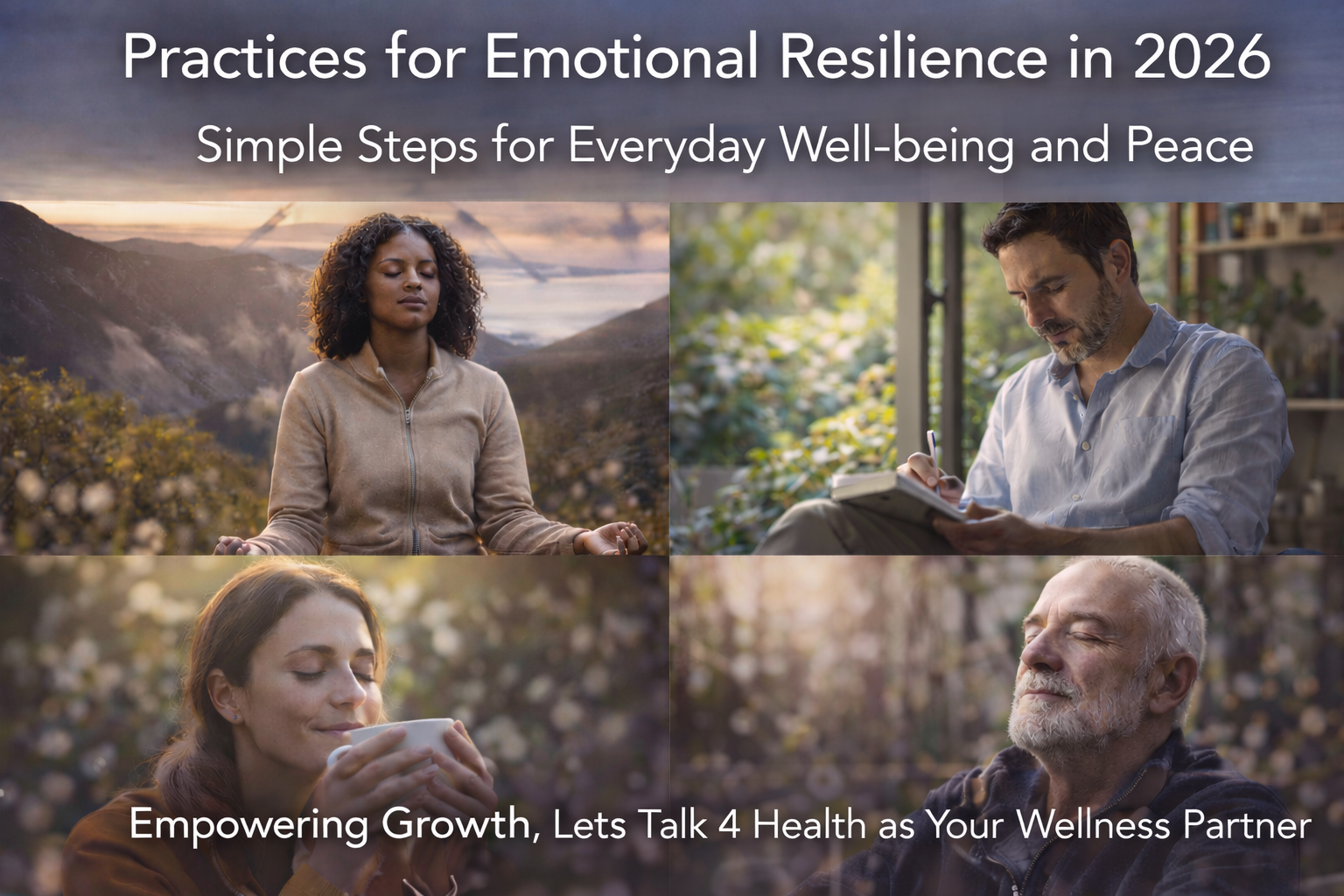
As 2026 approaches, many people are thinking less about quick fixes and more about sustainability. After years of navigating uncertainty, stress, and emotional overload, there is a growing desire for steadiness rather than constant striving. Emotional resilience has become less about pushing through and more about learning how to adapt, recover, and grow without burning out.
Building resilience does not require dramatic life changes. In fact, the most effective shifts often come from small, daily practices that support the nervous system, emotional awareness, and realistic pacing. At Let’s Talk 4 Health, we view resilience as a skill that can be strengthened over time with the right support and intention. You can learn more about our philosophy and services by visiting our home page.
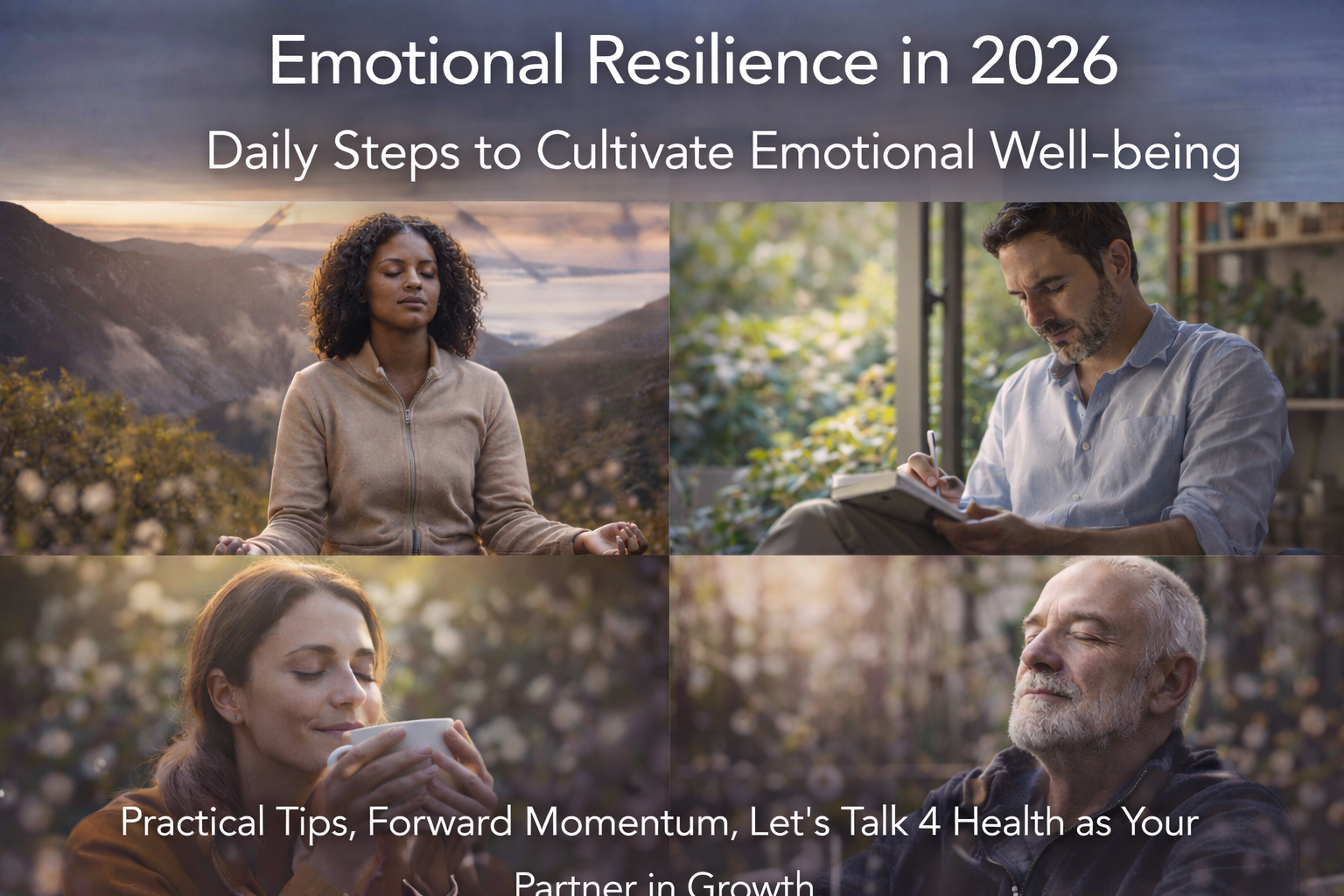
What Emotional Resilience Really Means
Emotional resilience is often misunderstood as toughness or emotional control. In reality, resilience is the ability to experience stress, emotion, and challenge while maintaining flexibility and recovery.
Resilient people still feel sadness, frustration, anxiety, and disappointment. The difference is how quickly they can return to balance and how compassionately they respond to themselves during difficulty.
Resilience is shaped by nervous system regulation, emotional awareness, boundaries, and support systems. It is not a personality trait you either have or do not have. It is a set of skills that can be developed.
For individuals seeking to strengthen emotional resilience intentionally, support through Florida online mental health counseling can provide guidance and structure.
Why Small Daily Practices Matter More Than Big Changes
The brain learns through repetition, not intensity. Large changes often feel motivating at first but can overwhelm the nervous system and lead to burnout. Small, consistent practices work because they fit into real life and are easier to sustain during stress.
Daily practices signal safety and predictability to the brain. Over time, these signals strengthen emotional regulation and reduce reactivity. This is especially important as people look toward 2026 with a desire for steadiness rather than urgency.
Therapy often focuses on identifying small, meaningful shifts that support long term growth through Florida telemental health therapy.
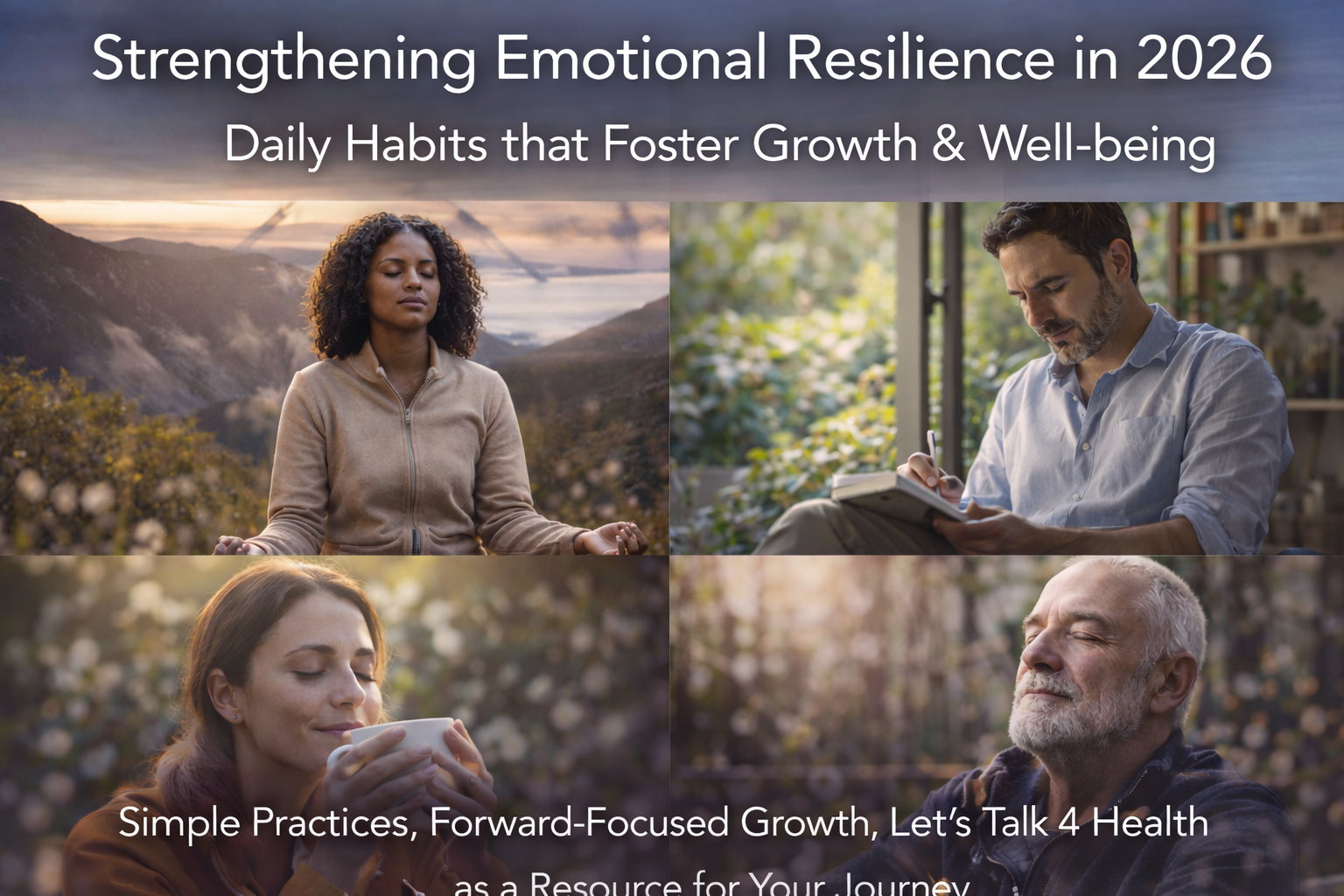
Practice One: Nervous System Regulation
Resilience begins in the body. When the nervous system feels unsafe or overloaded, emotional flexibility decreases. Daily regulation practices help the body return to balance more quickly.
Helpful daily regulation practices include:
Slow breathing with extended exhales
Gentle movement such as walking or stretching
Pausing to notice physical sensations
Allowing moments of rest without guilt
These practices do not require long sessions. Even a few minutes a day can support emotional steadiness.
Many clients learn how to regulate stress responses effectively through Florida telemental health services.
Practice Two: Emotional Awareness Without Judgment
Resilience grows when emotions are acknowledged rather than suppressed. Daily emotional check ins help prevent buildup that can lead to overwhelm.
This might include:
Naming emotions without trying to fix them
Noticing emotional patterns across the day
Allowing mixed emotions to exist together
Emotional awareness reduces reactivity and supports clearer decision making. Therapy offers tools for developing this awareness through online therapy in Florida.
Practice Three: Realistic Pacing
Many people struggle with resilience because they expect themselves to function at the same level every day. Realistic pacing involves adjusting expectations based on energy, stress, and capacity.
Daily pacing practices include:
Breaking tasks into smaller steps
Building rest into routines
Reducing nonessential commitments
Allowing flexibility without abandoning goals
Pacing protects emotional energy and prevents burnout. Individuals seeking accountability and balance may benefit fromonline mental health coaching in Florida.
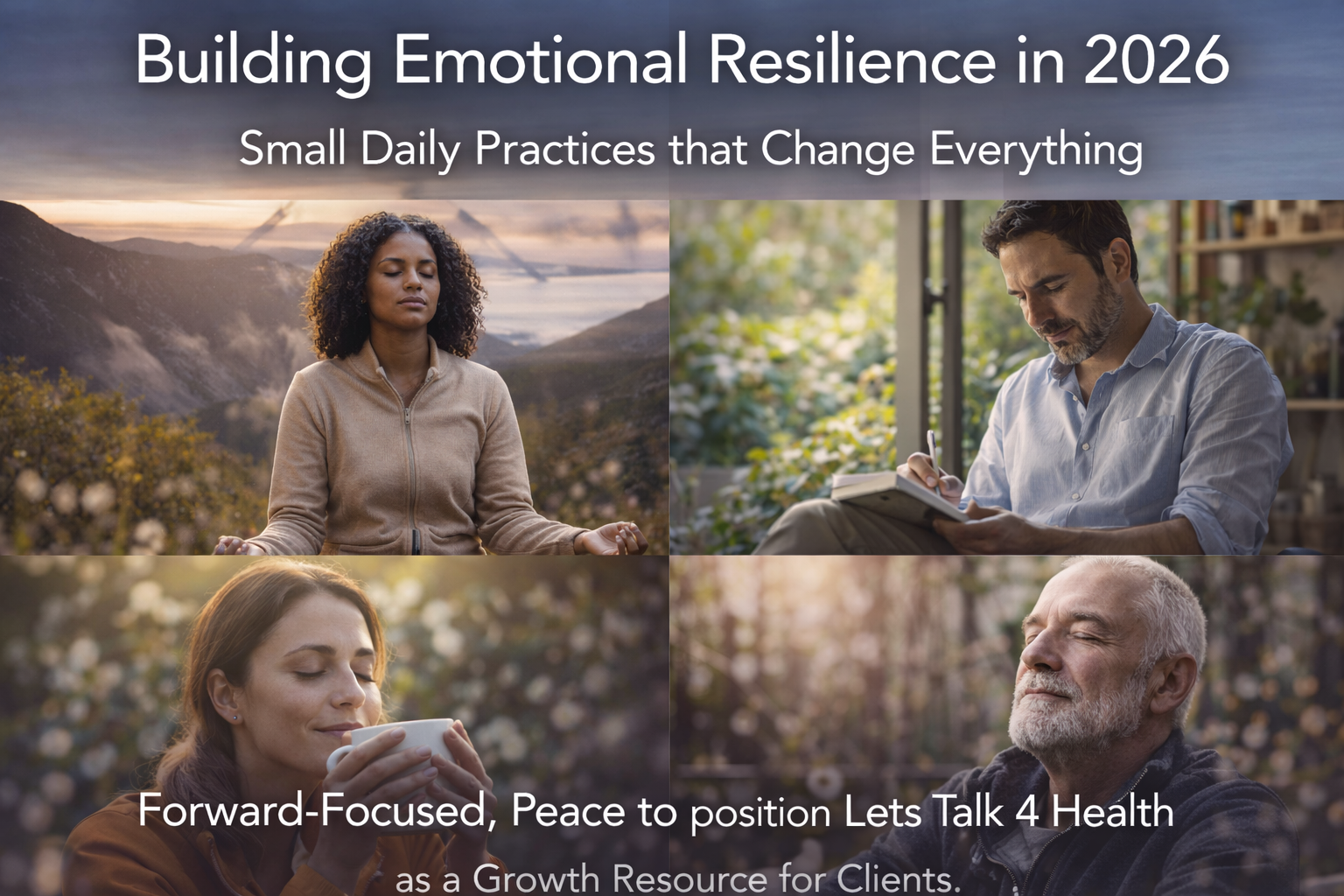
Practice Four: Boundaries That Protect Energy
Boundaries are a cornerstone of emotional resilience. They define what you can realistically give without depleting yourself.
Daily boundary practices may include:
Limiting exposure to draining conversations
Saying no without over explaining
Protecting personal time and recovery
Boundaries are not about control. They are about sustainability.
Practice Five: Connection and Support
Resilience is strengthened through connection. Daily connection does not require constant interaction, but it does require intention.
This may look like:
Brief check ins with trusted people
Meaningful conversations rather than frequent ones
Seeking professional support when needed
Connection provides perspective, regulation, and emotional safety. Many people find clarity and support through Florida online mental health counseling.
When Support Helps Build Long Term Resilience
Sometimes resilience cannot be built alone. Therapy provides space to explore emotional patterns, stress responses, and long term goals in a supportive environment.
If you are considering support, common questions are answered on our telehealth therapy FAQs page. To begin, you can reach out through our contact page for anxiety and depression support.
Why Let’s Talk 4 Health Is a Resource for Growth
Let’s Talk 4 Health supports individuals not only during crisis, but also during periods of growth and transition. With over 35 years of experience, Michelle Albo, LMHC, MCAP, CTP, leads the practice with a focus on emotional resilience, sustainable change, and compassionate care.
You can learn more about our providers and values by visiting our meet our team page. For details on confidentiality, please review our privacy policy.
Looking Ahead to 2026 With Intention
Building emotional resilience is not about becoming unshakable. It is about becoming more adaptable, compassionate, and steady in the face of life’s challenges.
Small daily practices create lasting change. As you look ahead to 2026, resilience can be built gently, intentionally, and with support. Let’s Talk 4 Health is here to walk alongside you, not just through difficulty, but through growth.