
The Psychology of Burnout: How to Recognize It Early in the New Year
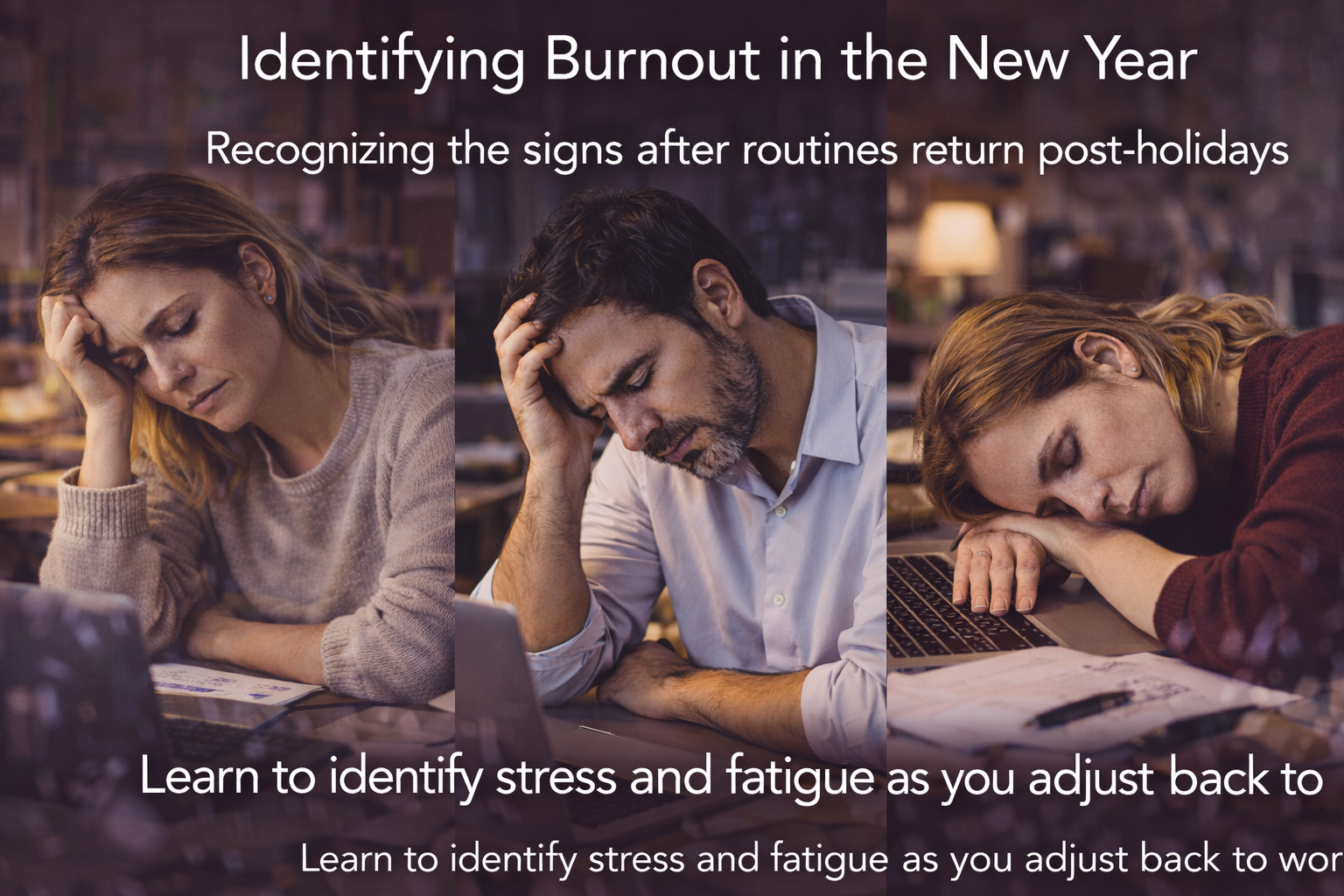
As the new year begins, many people expect to feel refreshed and motivated. The holidays are over, routines return, and life is supposed to settle back into rhythm. Yet for many, the opposite happens. Instead of renewed energy, there is exhaustion, irritability, and a sense of dread as responsibilities resume.
This post holiday period is one of the most common times burnout begins to surface. The nervous system, already stretched thin from the demands of the holidays, is asked to immediately perform at full capacity again. Understanding the psychology of burnout can help you recognize early warning signs before emotional and physical exhaustion deepen.
At Let’s Talk 4 Health, we often support individuals who feel confused by their lack of motivation early in the year. Learning to recognize burnout early allows for intervention, recovery, and sustainable change. You can learn more about our approach by visiting our home page.
Why Burnout Often Appears After the Holidays
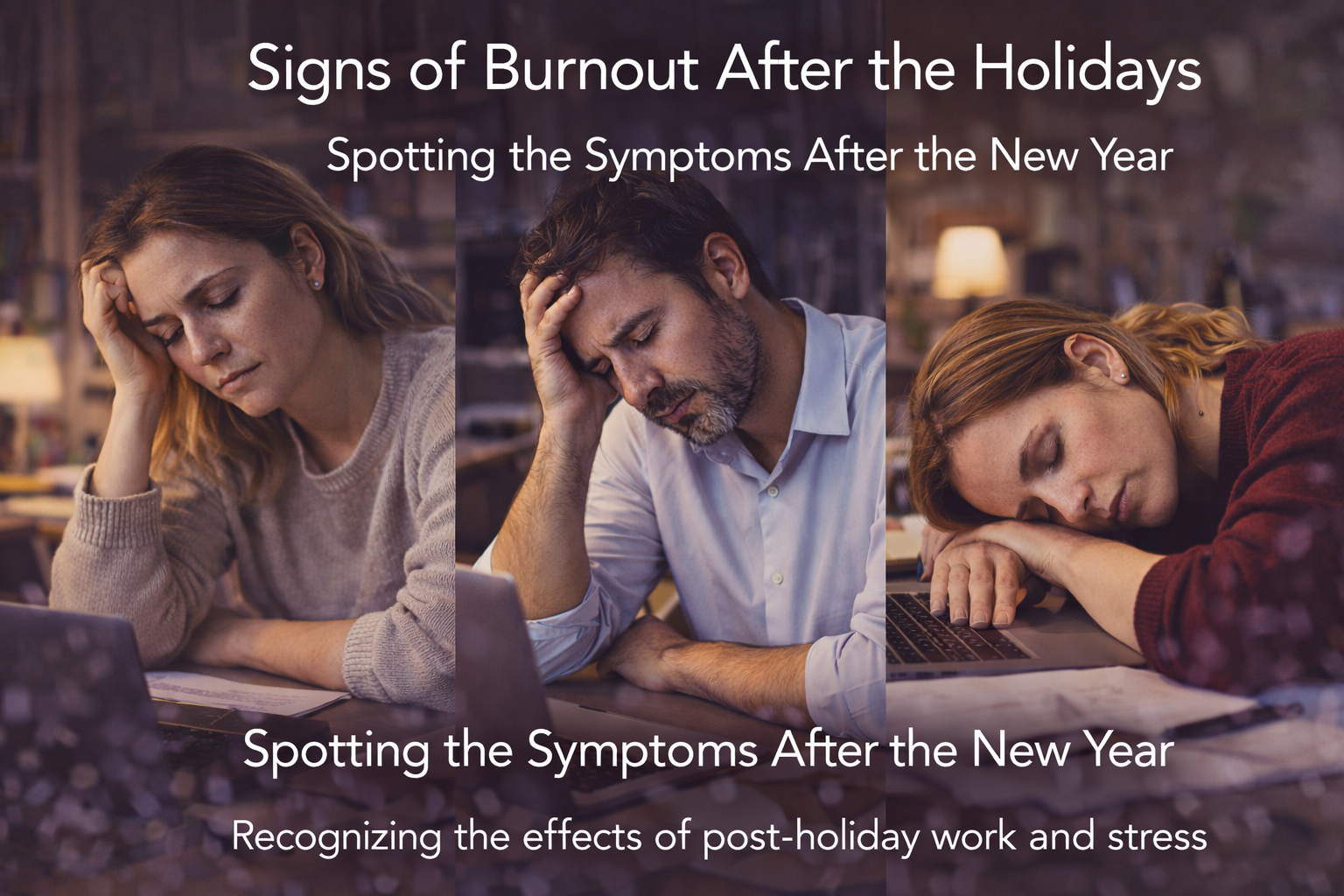
Burnout does not always develop during peak stress. It often appears after the pressure eases. During the holidays, many people operate in survival mode, pushing through social obligations, emotional demands, disrupted routines, and financial stress.
Once routines return in January, the nervous system finally slows enough to register exhaustion. Responsibilities feel heavier, motivation drops, and emotional resilience feels depleted. This is not laziness or lack of discipline. It is the body’s response to prolonged stress.
For individuals struggling to re engage with daily life after the holidays, professional support through Florida online mental health counseling can help identify burnout patterns early.
What Burnout Really Is From a Psychological Perspective
Burnout is a state of chronic physical, emotional, and mental exhaustion caused by prolonged stress without adequate recovery. Psychologically, burnout occurs when the nervous system remains activated for too long without relief.
Unlike temporary fatigue, burnout affects motivation, mood, and sense of purpose. Tasks that once felt manageable begin to feel overwhelming. Emotional numbness, cynicism, or detachment may develop as protective responses.
Burnout is not limited to work. It can affect parents, caregivers, professionals, students, and anyone navigating sustained emotional demand.
Early Signs of Burnout in the New Year
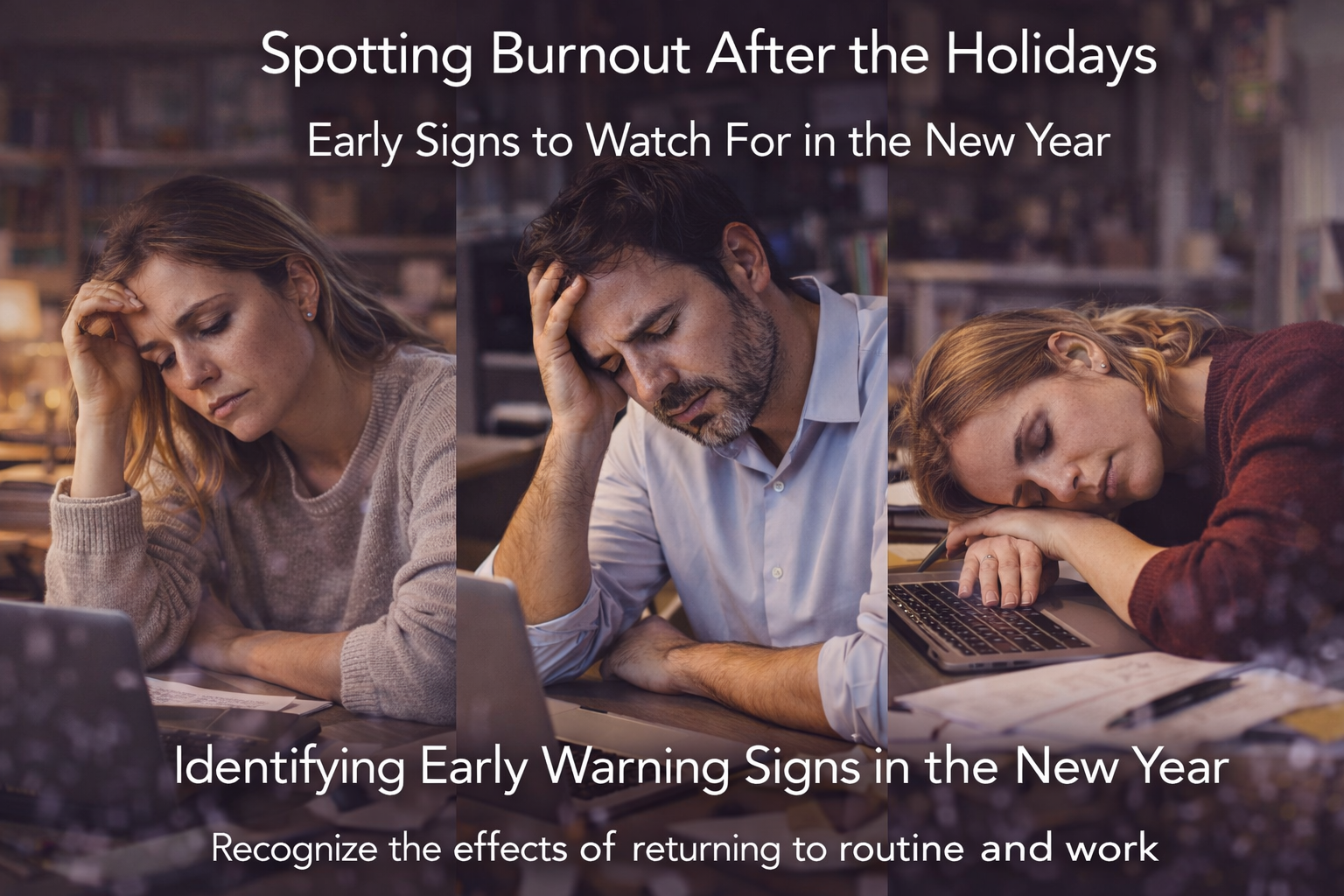
Recognizing burnout early is key to preventing deeper exhaustion. Early signs often appear subtly and are easy to dismiss.
Common early indicators include:
Persistent fatigue even after rest
Difficulty concentrating or making decisions
Irritability or emotional sensitivity
Loss of motivation or enjoyment
Feeling overwhelmed by routine tasks
Increased anxiety or low mood
These symptoms often intensify when routines resume and expectations increase.
If these signs feel familiar, support through Florida telemental health therapy can help assess stress levels and recovery needs.
The Role of the Nervous System in Burnout
Burnout is closely tied to nervous system regulation. Prolonged stress keeps the body in a state of alert, even when external pressure decreases. Over time, this leads to emotional depletion and reduced resilience.
When the nervous system is overwhelmed, the brain prioritizes conservation over engagement. This can look like procrastination, withdrawal, or lack of motivation, even when goals are important.
Understanding burnout as a physiological response helps reduce self blame and encourages compassion.
Why Motivation Drops When Burnout Sets In
Many people believe burnout means they need more discipline. In reality, burnout reduces the brain’s capacity for motivation.
Motivation relies on emotional energy and cognitive flexibility. When these resources are depleted, effort feels harder and less rewarding. This is why pushing harder often worsens burnout rather than resolving it.
Addressing burnout involves restoring capacity, not forcing productivity. Therapy helps individuals shift from pressure to recovery through online therapy in Florida.
Burnout vs. Depression and Anxiety
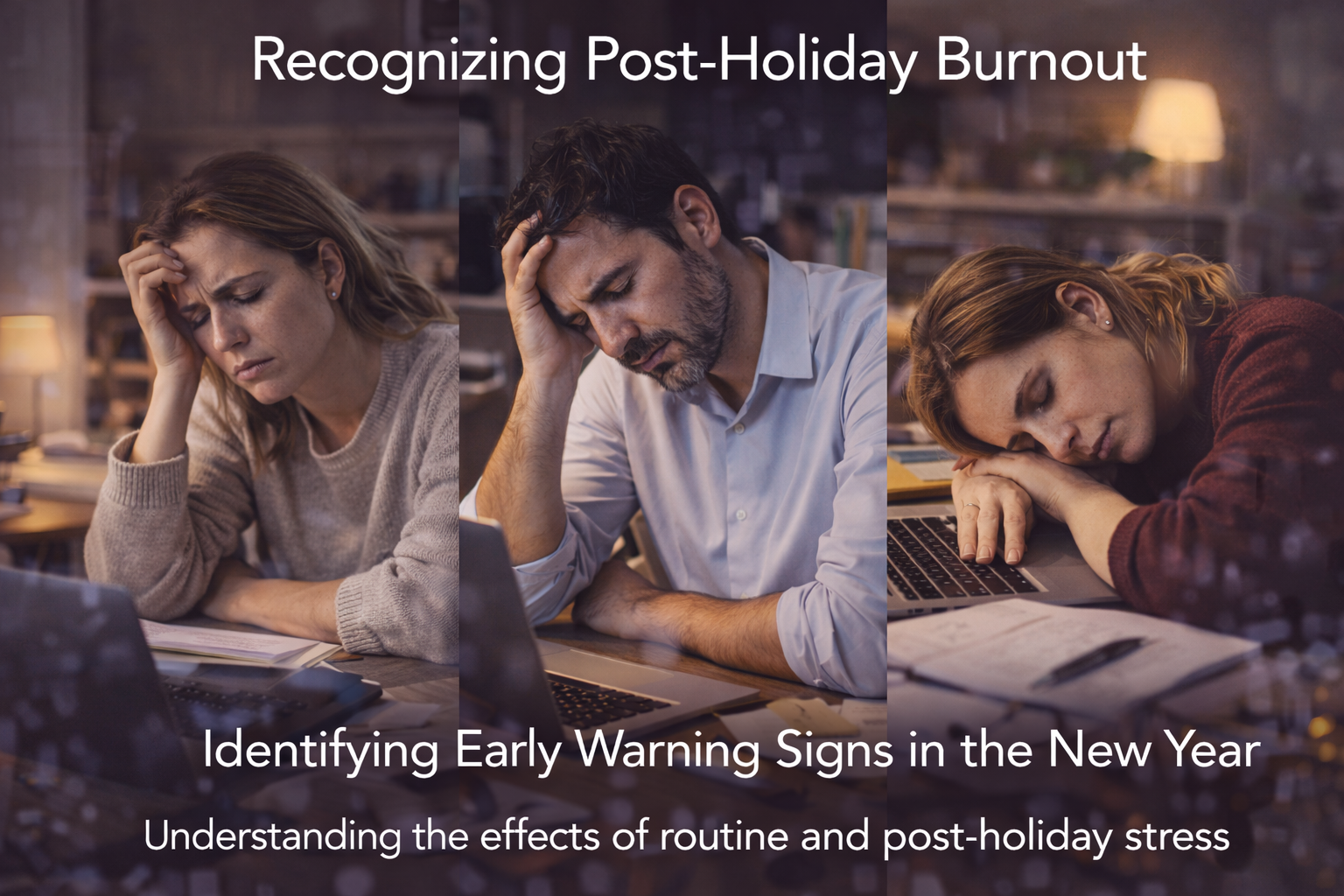
Burnout shares symptoms with depression and anxiety, which can make it difficult to identify. While burnout is often situational, prolonged burnout can contribute to clinical anxiety or depression if left unaddressed.
Key differences include:
Burnout is closely tied to chronic stress and demands
Depression often includes persistent low mood and hopelessness
Anxiety involves heightened fear and worry
A licensed professional can help clarify what you are experiencing and recommend appropriate support through Florida telemental health services.
Gentle Strategies to Address Burnout Early
Early burnout responds best to gentle intervention rather than drastic change. Small adjustments can make a significant difference.
Helpful strategies include:
Slowing the pace of re entry into routines
Reducing nonessential commitments
Prioritizing rest and sleep consistency
Setting realistic expectations for productivity
Creating boundaries around time and energy
For individuals seeking structure and accountability without pressure, online mental health coaching in Florida may be beneficial.
When Professional Support Can Help
If burnout symptoms persist or worsen, professional support can help prevent deeper emotional exhaustion. Therapy offers space to explore stress patterns, boundaries, emotional needs, and recovery strategies.
Many people find it helpful to review common questions before starting therapy through our telehealth therapy FAQs page.
If you are ready to take the next step, you can reach out through our contact page for anxiety and depression support.
Why Choose Let’s Talk 4 Health
Let’s Talk 4 Health provides compassionate, evidence based mental health care for individuals navigating burnout and emotional exhaustion. With over 35 years of experience, Michelle Albo, LMHC, MCAP, CTP, leads the practice with a focus on realistic, sustainable recovery.
You can learn more about our providers and values by visiting our meet our team page. For information about confidentiality and data protection, please review our privacy policy.
Recognizing Burnout Is a Form of Self Care
Burnout is not a failure. It is a signal that your system has been carrying too much for too long. Recognizing the signs early allows you to respond with care rather than criticism.
The new year does not require immediate momentum. It requires awareness, pacing, and support. With the right tools, burnout can be addressed before it becomes overwhelming, creating space for a steadier and more sustainable year ahead.