
Protecting Your Mental Health in Social Settings: Work, Events, Family Gatherings, and Overstimulating Environments
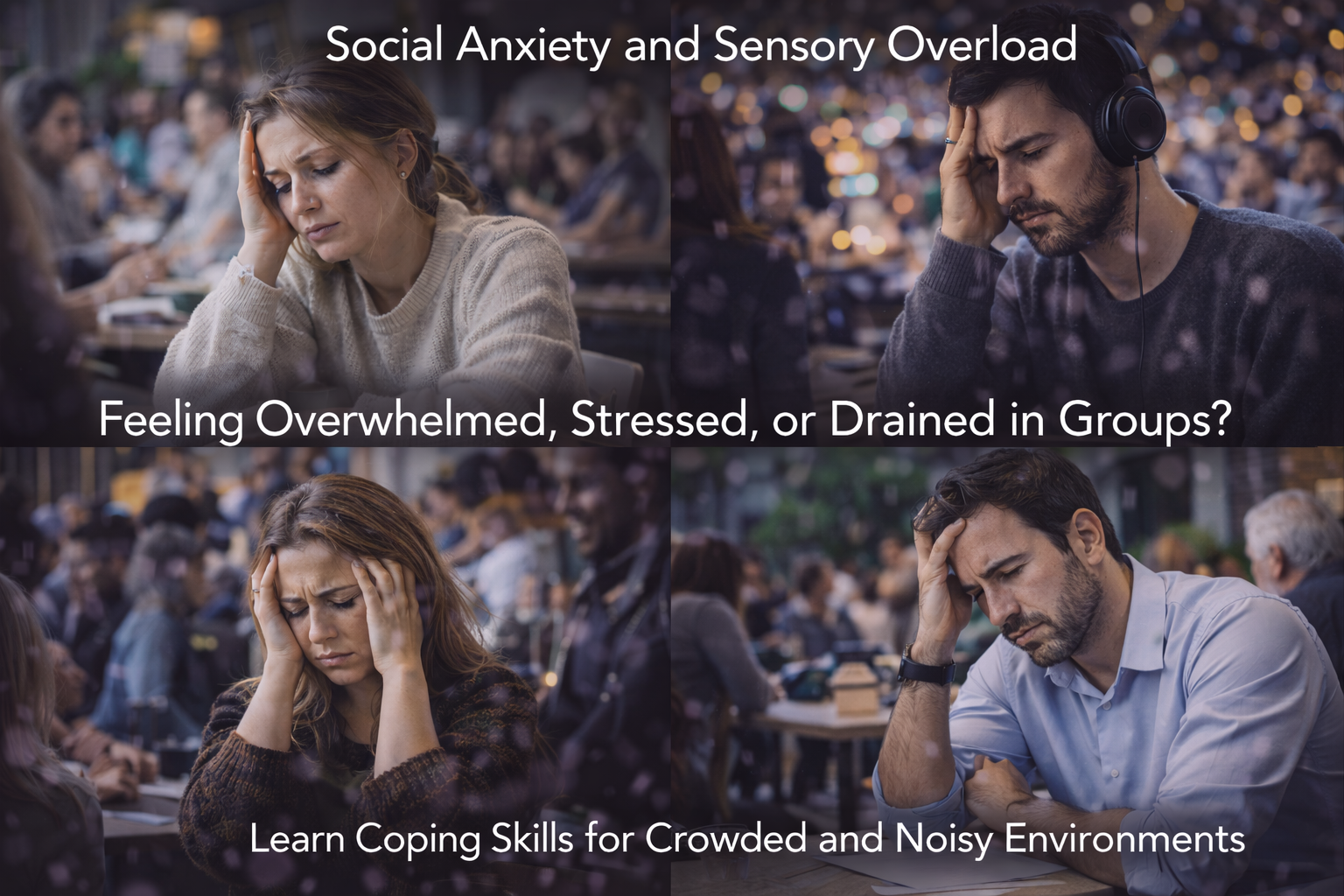
Social settings can be meaningful and connecting, but they can also be emotionally draining. Work meetings, professional events, family gatherings, and social obligations often place unspoken demands on attention, energy, and emotional regulation. For many people, these environments become sources of anxiety, overstimulation, or exhaustion rather than connection.
Protecting your mental health in social settings is not about avoidance. It is about learning how to set boundaries, regulate your nervous system, and respond intentionally rather than reactively. At Let’s Talk 4 Health, we support individuals navigating social stress with practical, compassionate strategies. You can learn more about our approach by visiting our home page.
Why Social Settings Can Feel Overwhelming
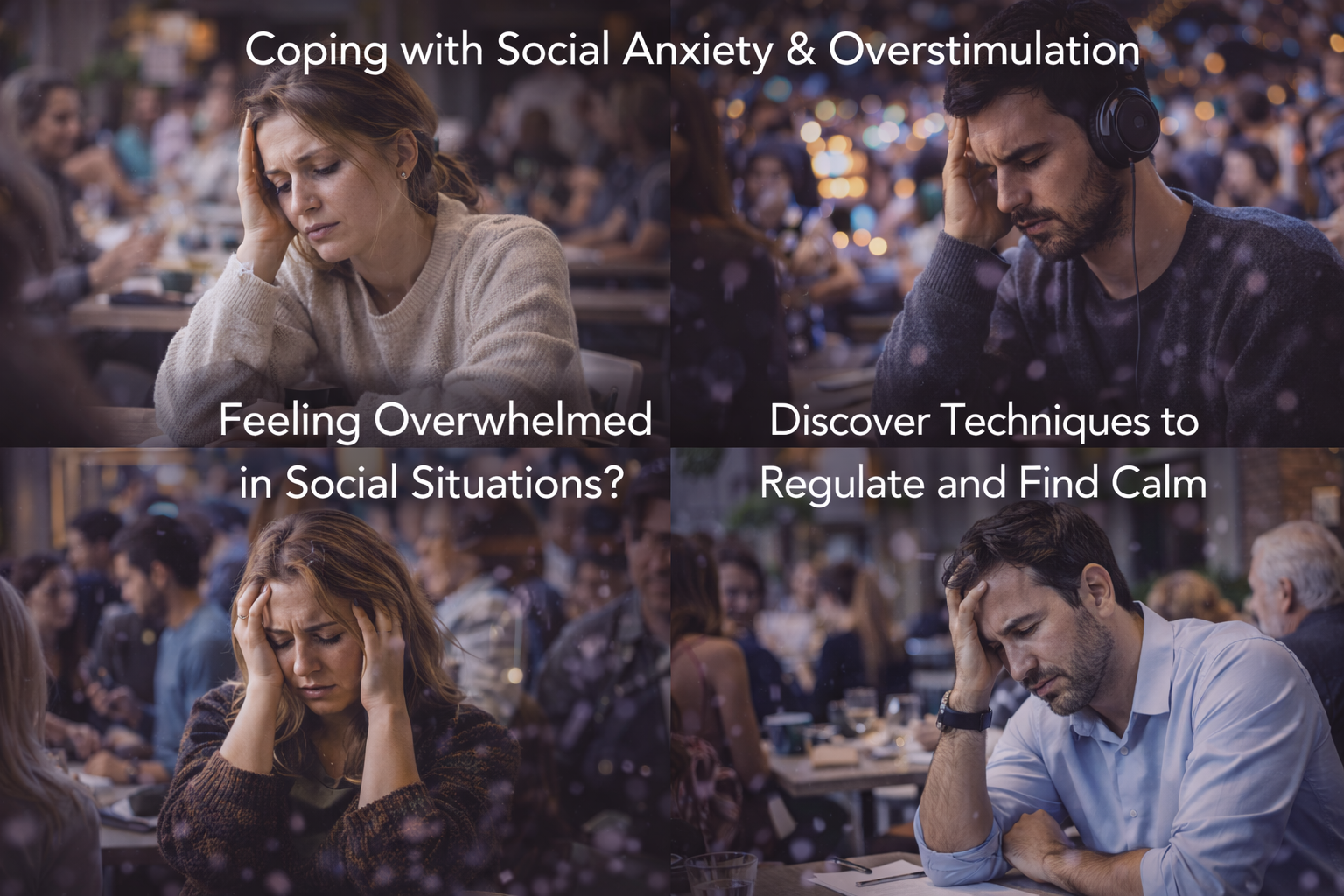
Overstimulation occurs when the nervous system receives more input than it can comfortably process. Noise, conversation, expectations, emotional dynamics, and sensory input all compete for attention. For individuals who are sensitive, anxious, introverted, or already stressed, this can quickly lead to emotional overload.
The brain interprets overstimulation as a threat, activating the stress response. This may show up as irritability, anxiety, shutdown, racing thoughts, or a strong urge to leave. These reactions are not personal failures. They are signals that the nervous system needs support.
When social stress begins to affect mood or functioning, professional support through Florida online mental health counseling can help identify patterns and coping strategies.
Work Environments and Professional Settings
Workplaces often require sustained social engagement, performance, and emotional regulation. Meetings, deadlines, office dynamics, and expectations to be constantly available can drain mental resources.
Protective strategies in work settings include:
Scheduling brief breaks to reset your nervous system
Setting clear start and end times for meetings when possible
Limiting unnecessary social exposure during high stress periods
Allowing yourself to step away from overstimulating environments
Learning how to manage professional stress and boundaries is often supported through online mental health coaching in Florida.
Family Gatherings and Emotional Triggers
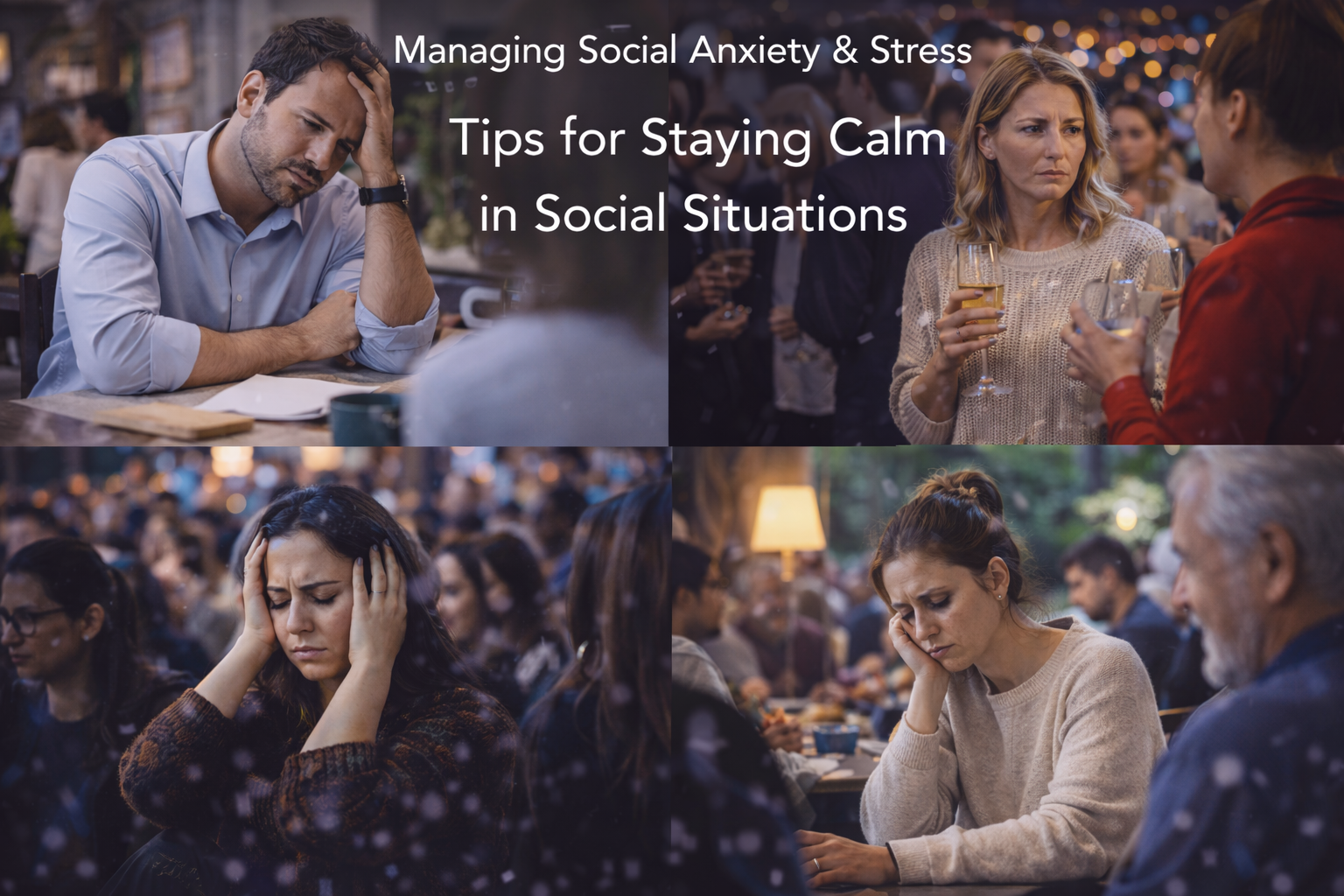
Family gatherings can be particularly complex. Old roles, unresolved dynamics, and emotional history often resurface in subtle ways. Even when interactions appear calm on the surface, the body may react to familiar patterns of criticism, pressure, or expectation.
Protecting mental health in family settings involves recognizing triggers and preparing emotionally. This may include deciding in advance how long to stay, which topics to avoid, and when to take breaks.
It is okay to prioritize emotional safety, even with family. Therapy can help individuals process family dynamics and build healthier boundaries through Florida telemental health therapy.
Social Events and Large Gatherings
Parties, celebrations, and public events often involve crowds, noise, and social pressure. For many people, these environments can quickly lead to sensory overload.
Helpful strategies include:
Arriving early or leaving before exhaustion sets in
Taking quiet breaks outside or in less crowded areas
Giving yourself permission to decline invitations when needed
Planning recovery time after events
These choices are not antisocial. They are forms of self regulation.
Using Scripts to Reduce Emotional Load
Scripts are pre planned phrases that help reduce anxiety and decision fatigue in social situations. When stress is high, the brain has less capacity to generate responses in the moment.
Examples of helpful scripts include:
“I need to step outside for a moment.”
“I’m not able to discuss that today.”
“Thank you for understanding, I need to leave early.”
Using scripts allows you to protect boundaries without over explaining. Many individuals develop effective communication tools through online therapy in Florida.
Setting and Maintaining Boundaries
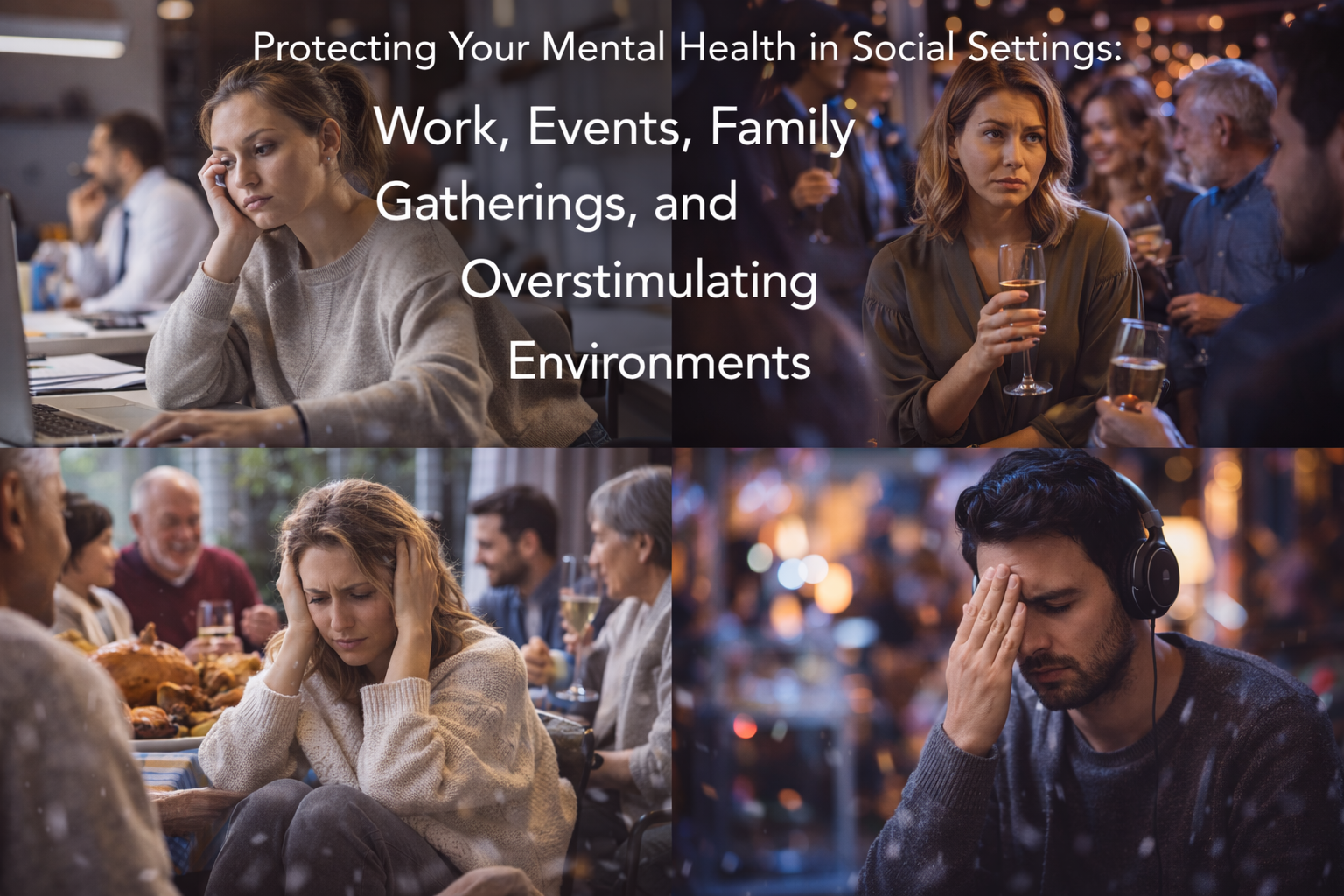
Boundaries are limits that protect emotional and mental wellbeing. They are not punishments or ultimatums. Boundaries clarify what you can and cannot manage.
Healthy boundaries may include:
Limiting time in overstimulating environments
Choosing which conversations to engage in
Saying no without justification
Prioritizing rest after social exposure
Boundaries often feel uncomfortable at first, especially for individuals who are used to accommodating others. With practice and support, they become more natural.
Regulating the Nervous System in the Moment
When overstimulation occurs, grounding techniques can help bring the nervous system back to balance. These strategies focus on physical cues of safety.
Helpful techniques include:
Slow breathing with extended exhales
Pressing feet firmly into the ground
Holding a warm or familiar object
Focusing attention on physical sensations
Learning how to regulate the nervous system is a core component of emotional resilience. Many clients develop these skills through Florida telemental health services.
Aftercare and Recovery
Social exposure often requires recovery time, especially for individuals who are sensitive to stimulation. Aftercare is an essential part of protecting mental health.
Aftercare may include:
Quiet time or solitude
Gentle movement or stretching
Limiting additional social demands
Engaging in calming activities
Planning recovery time reduces burnout and supports long term emotional balance.
When Social Stress Becomes Too Much
If social settings consistently cause anxiety, shutdown, or emotional exhaustion, professional support can help. Therapy provides space to explore triggers, patterns, and personalized coping strategies.
Many common questions about therapy are answered on our telehealth therapy FAQs page. If you feel ready to reach out, you can begin through our contact page for anxiety and depression support.
Why Choose Let’s Talk 4 Health
Let’s Talk 4 Health offers compassionate, evidence based mental health care for individuals navigating social stress and emotional overwhelm. With over 35 years of experience, Michelle Albo, LMHC, MCAP, CTP, leads the practice with a focus on realistic, supportive care.
You can learn more about our providers and values by visiting our meet our team page. For details on confidentiality, please review our privacy policy.
Moving Through Social Settings With Confidence
Protecting your mental health in social environments is not about changing who you are. It is about understanding your needs and responding with intention.
With boundaries, scripts, nervous system regulation, and recovery, social settings can become more manageable and less overwhelming. Support is available, and you do not have to navigate these challenges alone.