
Managing Seasonal Mood Changes: Understanding the Winter Emotional Dip
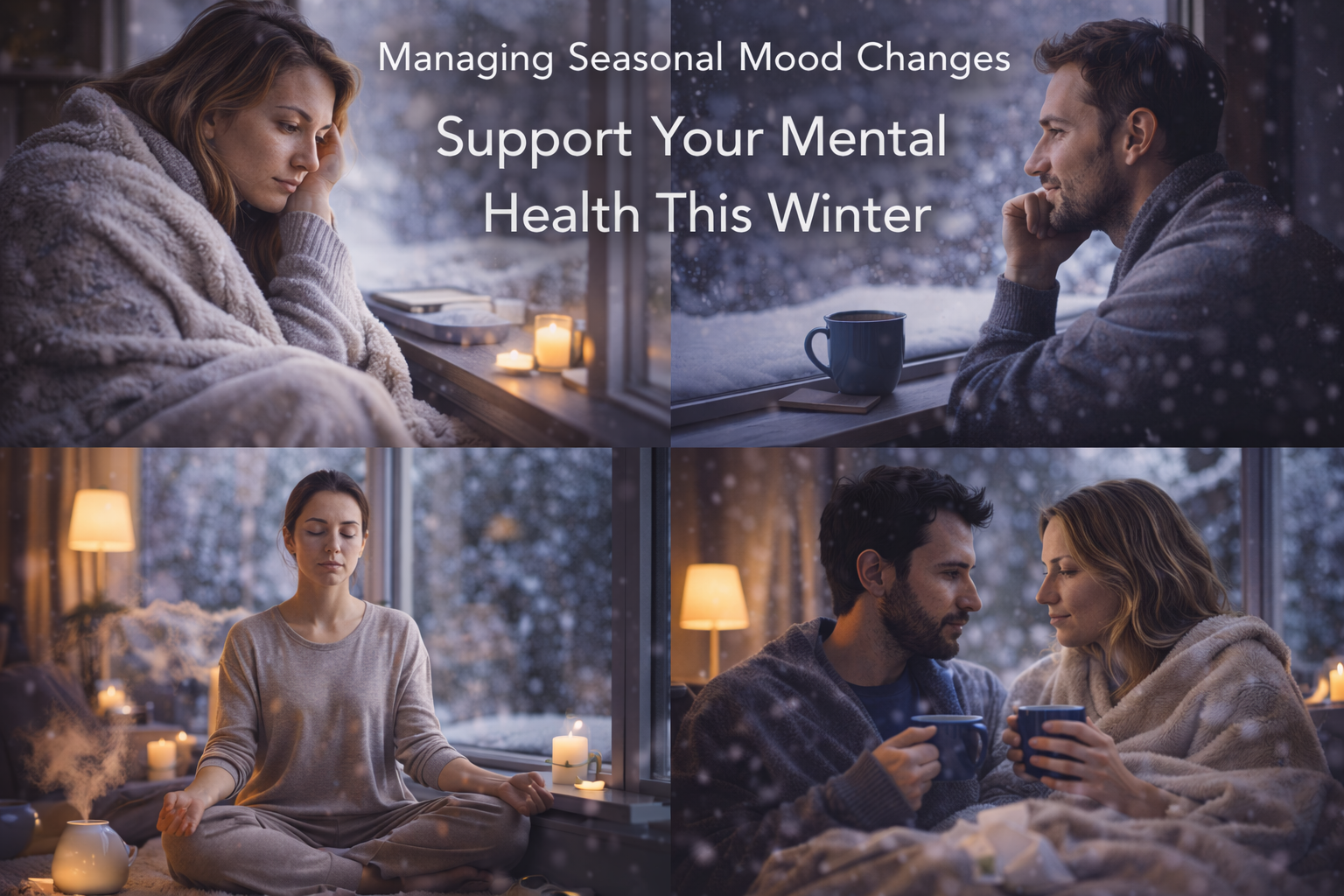
As winter settles in, many people notice subtle but persistent shifts in mood, energy, and motivation. Shorter days, cooler temperatures, and changes in routine can quietly affect emotional wellbeing. What begins as fatigue or low motivation may gradually turn into sadness, withdrawal, or a sense of heaviness that feels difficult to explain.
Seasonal mood changes are common and rooted in both biology and environment. Understanding why winter impacts the mind and body can reduce self blame and help you respond with compassion rather than frustration. At Let’s Talk 4 Health, we support individuals navigating these seasonal shifts with practical, evidence based care. You can learn more about our services by visiting ourhome page.
Why Winter Often Brings an Emotional Dip
Winter affects the nervous system in several ways. Reduced daylight disrupts circadian rhythms, which regulate sleep, mood, and energy. Less exposure to sunlight can affect serotonin levels, contributing to low mood and emotional fatigue.
At the same time, colder weather often limits movement and social interaction. People spend more time indoors, routines become less structured, and isolation can increase. These changes may not feel dramatic day to day, but over weeks they can significantly affect emotional balance.
Seasonal mood changes exist on a spectrum. Some people notice mild low energy, while others experience more intense symptoms such as sadness, irritability, difficulty concentrating, or loss of interest in activities. When these symptoms interfere with daily life, support through Florida online mental health counseling can be helpful.
Light Exposure and Emotional Regulation
Light exposure plays a key role in emotional health. Natural daylight helps regulate the body’s internal clock and supports neurotransmitters involved in mood stability. During winter, limited daylight can disrupt these systems.
Helpful ways to support light exposure include:
Spending time outside during daylight hours when possible
Opening curtains and positioning living or work spaces near windows
Maintaining consistent wake and sleep times to support circadian rhythm
These adjustments help signal safety and structure to the brain, even when days are short. Individuals struggling with sleep or energy regulation often benefit from guidance through Florida telemental health therapy.
The Role of Routine in Winter Mental Health
Routine provides predictability, which the nervous system relies on to feel stable. During winter, routines often loosen due to weather, holidays, or low motivation. This loss of structure can increase emotional vulnerability.
Reestablishing gentle routines supports mood without requiring rigidity. Helpful routines may include:
Regular sleep and meal times
Daily movement, even brief or low intensity
Scheduled moments of rest or reflection
Routine reduces decision fatigue and creates anchors throughout the day. For individuals feeling overwhelmed by lack of structure, online therapy in Florida can help rebuild supportive rhythms.
Supporting the Body During Seasonal Changes
The body holds stress and responds to environmental shifts long before the mind fully recognizes them. During winter, reduced activity and increased fatigue can lower emotional resilience.
Supporting the body includes:
Gentle movement such as walking or stretching
Nourishing meals that support energy and mood
Prioritizing rest without guilt
These practices help regulate the nervous system and support emotional steadiness. Many clients learn how to care for the body mind connection through Florida telemental health services.
Mind Based Strategies for the Winter Months
Low energy and limited daylight can amplify negative thinking patterns. Thoughts such as “I should be doing more” or “I’m falling behind” often increase emotional distress during winter.
Mind based strategies focus on awareness rather than control. These include:
Noticing thoughts without immediately reacting to them
Practicing self compassion during low energy days
Reframing expectations to match seasonal capacity
Therapy offers tools to identify and gently challenge unhelpful thought patterns through Florida online mental health counseling.
The Importance of Connection
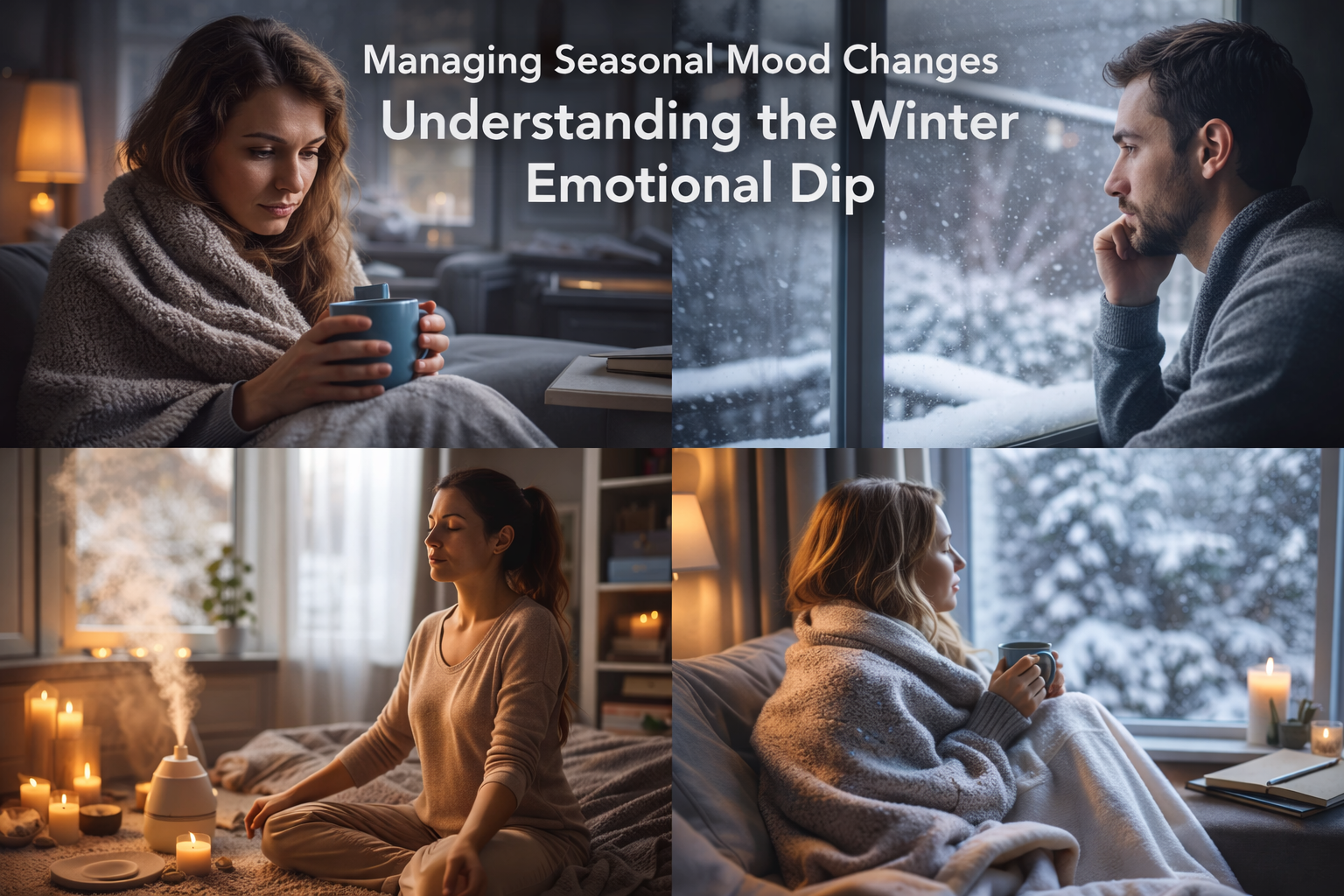
Social connection is one of the strongest protective factors against seasonal mood changes. During winter, isolation often increases due to weather, fatigue, or emotional withdrawal.
Connection does not require constant interaction. Meaningful contact can be simple and intentional:
Checking in regularly with trusted people
Scheduling phone or video conversations
Engaging in shared activities, even briefly
For individuals who want structured support and accountability, online mental health coaching in Florida may be a helpful option.
Behavioral Strategies That Support Mood
Behavioral strategies focus on small actions that influence mood over time. Waiting for motivation often leads to stagnation, while gentle action can create emotional momentum.
Helpful strategies include:
Engaging in activities that usually bring comfort or meaning
Breaking tasks into smaller, manageable steps
Celebrating effort rather than outcome
Consistency matters more than intensity. Small actions repeated over time help stabilize mood.
When Seasonal Mood Changes Need Extra Support
If winter mood changes feel persistent, intense, or begin to affect work, relationships, or self care, professional support can help. Therapy provides space to explore biological, emotional, and behavioral factors without judgment.
Common questions about therapy are answered on our telehealth therapy FAQs page. If you feel ready to reach out, you can begin through our contact page for anxiety and depression support.
Why Choose Let’s Talk 4 Health
Let’s Talk 4 Health provides compassionate, evidence based mental health care for individuals navigating seasonal mood changes. With over 35 years of experience, Michelle Albo, LMHC, MCAP, CTP, leads the practice with a focus on realistic, supportive care.
You can learn more about our providers by visiting our meet our team page. For details on confidentiality and data protection, please review our privacy policy.
Moving Through Winter With Care
Seasonal mood changes are not a personal weakness. They are a natural response to environmental and biological shifts. With understanding and the right tools, it is possible to move through winter with greater balance and self compassion.
Light exposure, routine, body awareness, mindset, connection, and behavioral strategies work together to support emotional wellbeing. With gentle pacing and support, the winter months can feel more manageable and less isolating.