
The Guilt of Doing Nothing: Productivity Pressure and Mental Health
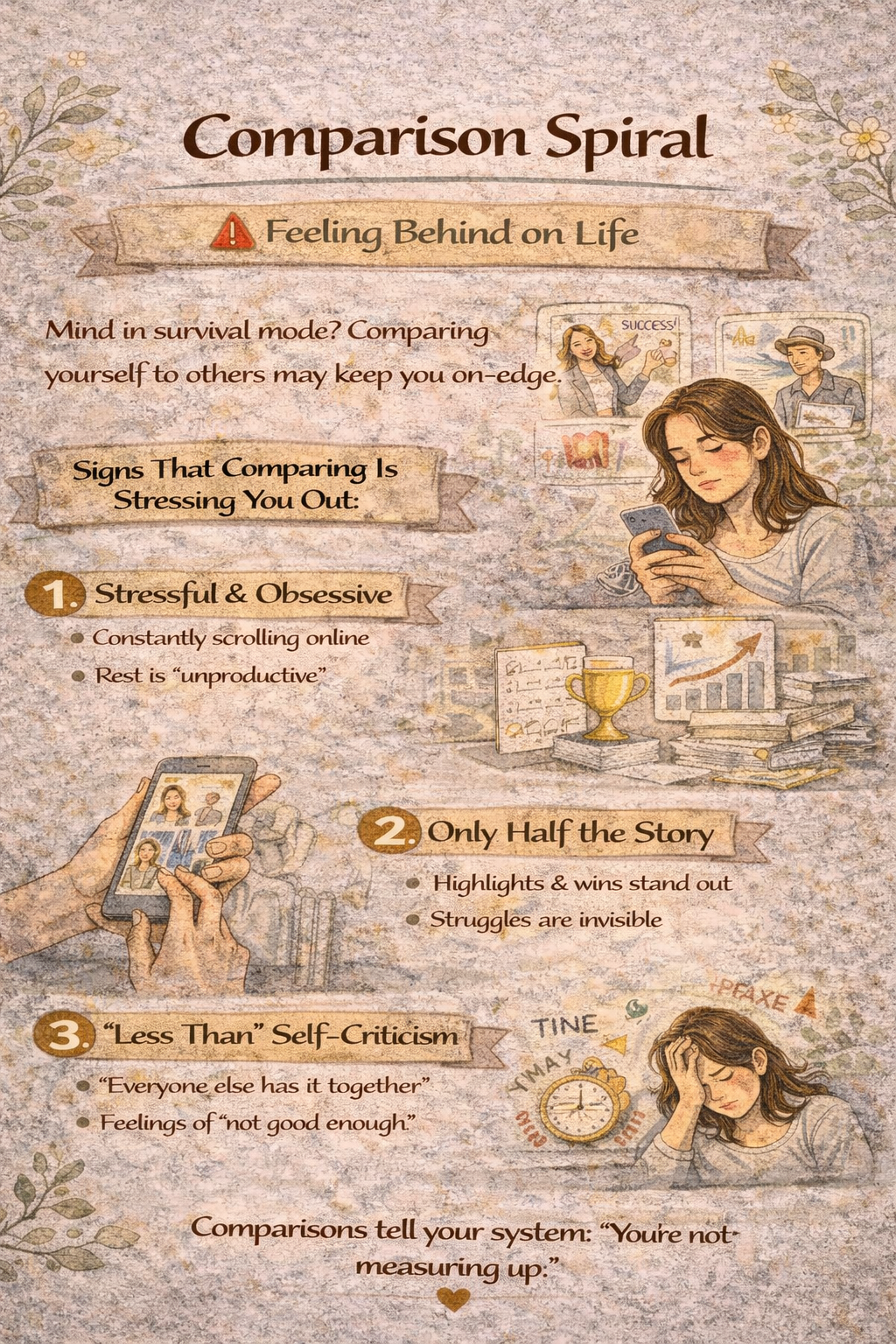
For many people, doing nothing does not feel restful. It feels wrong. Sitting still can trigger guilt, anxiety, or an inner voice that says you should be doing something more useful. Even during exhaustion, rest can feel undeserved.
This guilt is not random. It is deeply tied to how identity, worth, and safety have been linked to productivity over time. Understanding where this pressure comes from can help loosen its grip and create a healthier relationship with rest.
At Let’s Talk 4 Health, we often support individuals who feel trapped in cycles of overworking, self pressure, and burnout. You can learn more about our approach to emotional wellbeing by visiting our home page.

Why Doing Nothing Feels So Uncomfortable
Many people have learned, directly or indirectly, that being busy equals being responsible, valuable, or safe. Productivity becomes a way to earn approval, avoid criticism, or maintain control.
When activity slows, the nervous system may interpret it as a loss of structure or purpose. This can activate anxiety or restlessness. The discomfort is not about laziness. It is about unfamiliarity.
If your system has been conditioned to equate stillness with risk, guilt becomes a protective response. Support through Florida online mental health counseling can help unpack these patterns.
How Identity Gets Tied to Productivity
Over time, productivity can shift from something you do to who you are. You may describe yourself as dependable, driven, or always the one others rely on. These traits are often strengths, but they can become burdens when self worth depends on constant output.
When identity is tied to doing, resting can feel like losing a part of yourself. This creates internal conflict, especially during times when the body genuinely needs recovery.
Therapy offers space to explore identity beyond productivity through online therapy in Florida.
Conditioning and Early Messages About Worth
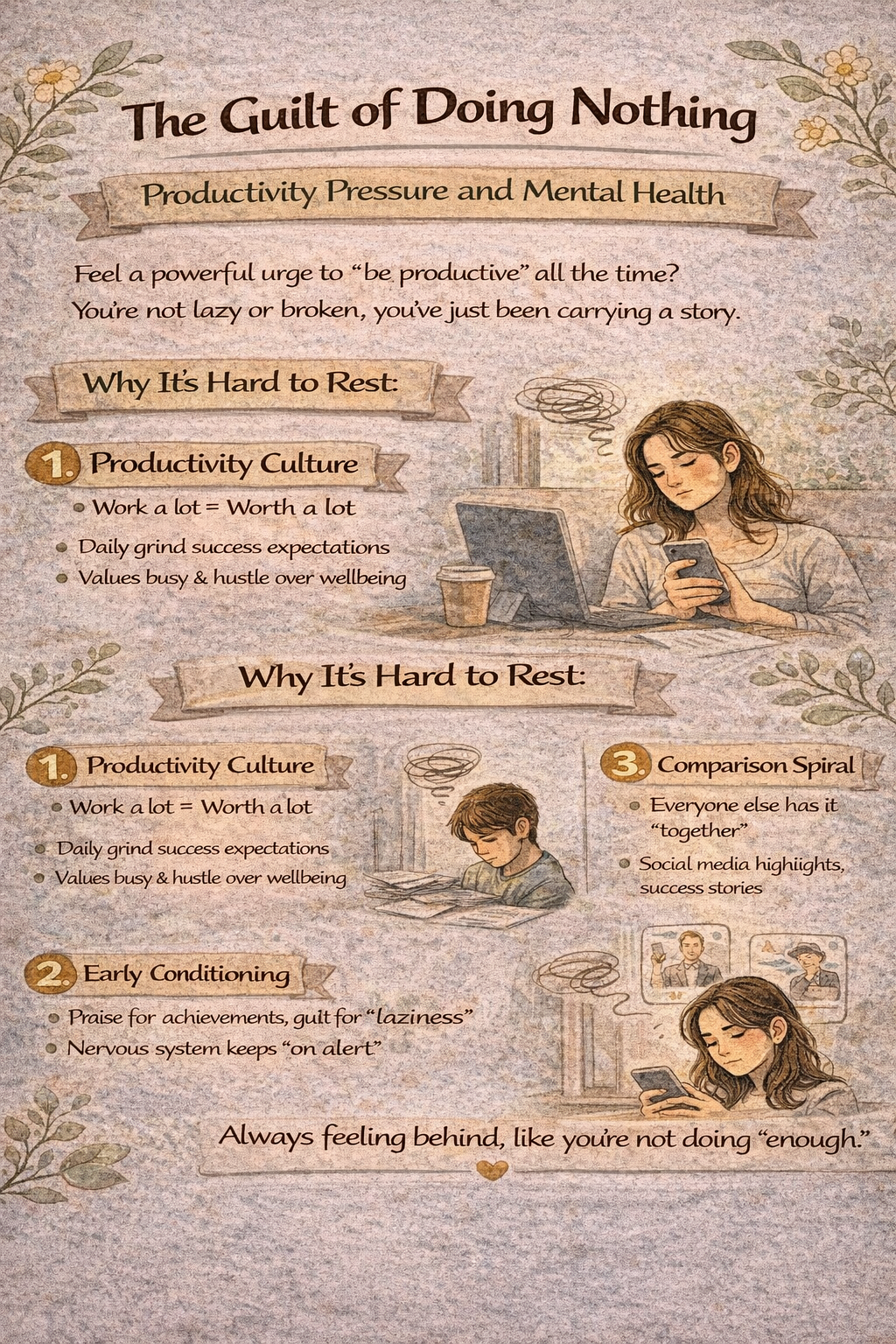
Messages about productivity often begin early in life. Some people were praised mainly for achievement. Others learned that slowing down led to criticism or instability. These experiences shape how the nervous system responds to rest.
Even when circumstances change, the body may still react as if productivity equals safety. Guilt becomes an automatic response rather than a conscious choice.
Understanding this conditioning helps reduce self blame and increases compassion for your own reactions.
The Mental Health Cost of Constant Productivity
When rest is consistently overridden, the nervous system remains activated. Over time, this contributes to burnout, anxiety, irritability, and emotional numbness.
The brain needs downtime to process information and regulate mood. Without rest, focus decreases and emotional resilience weakens. Ironically, constant productivity often leads to reduced effectiveness and increased exhaustion.
Learning to regulate stress and pace yourself is a key focus of Florida telemental health therapy.
Why Guilt Shows Up When You Slow Down
Guilt often appears during rest because the mind believes something important is being neglected. Thoughts like “I should be doing more” or “I’m wasting time” may surface automatically.
These thoughts are learned patterns, not facts. They reflect old rules about worth rather than current needs.
Recognizing guilt as a signal of conditioning, rather than truth, allows space to respond differently.
Redefining What “Enough” Means
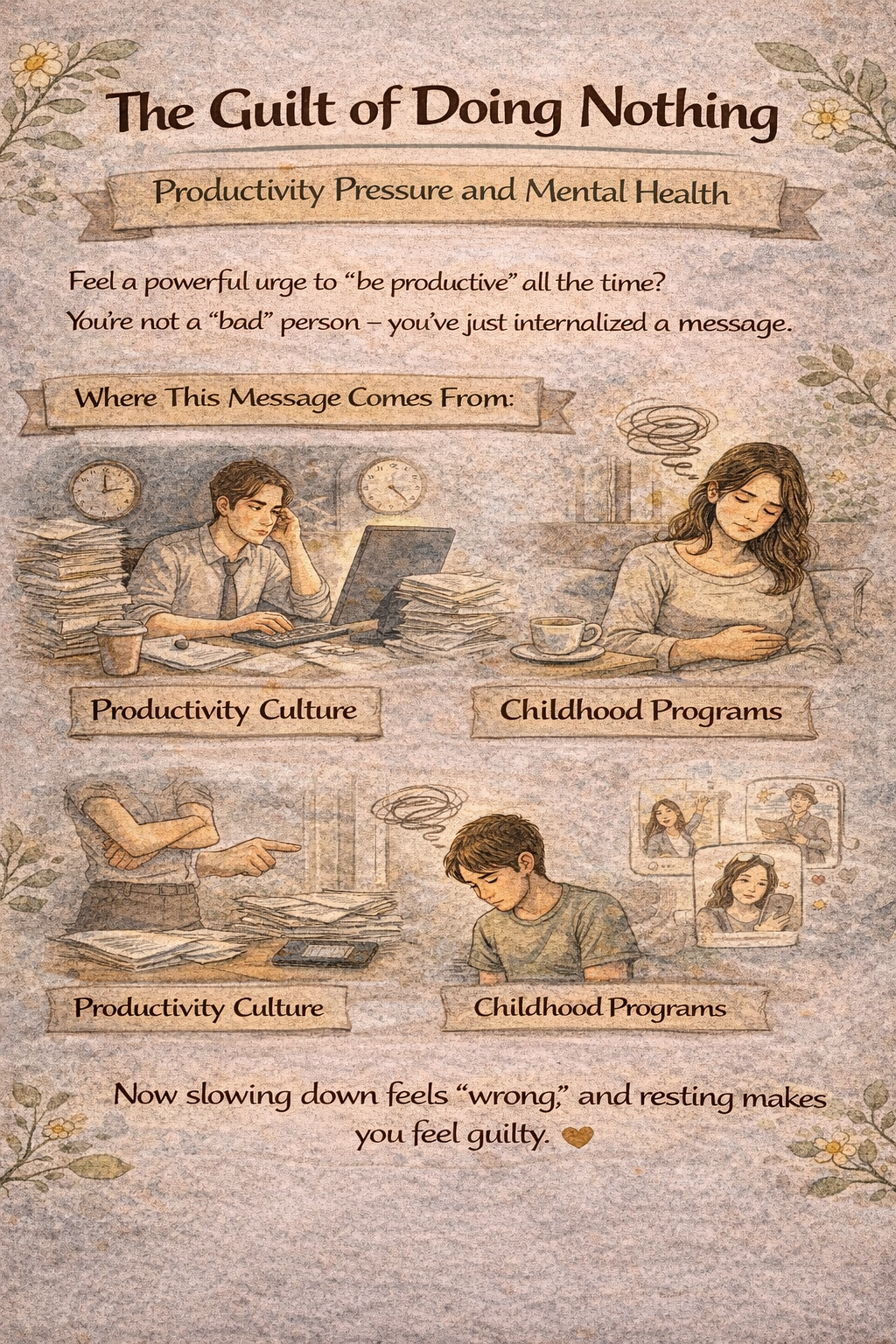
Shifting your relationship with productivity involves redefining enough. Enough is not the same every day. It depends on energy, stress, and emotional capacity.
Healthy productivity includes:
Rest as a necessary part of functioning
Adjusting expectations during high stress
Allowing recovery without punishment
Enough means meeting needs, not chasing constant output.
For individuals who want structure and accountability without self criticism, online mental health coaching in Florida can help support realistic pacing.
Gentle Ways to Practice Rest Without Overwhelm
If rest feels uncomfortable, gradual exposure can help.
Helpful steps include:
Scheduling short periods of intentional rest
Pairing rest with calming sensory cues
Noticing guilt without immediately acting on it
Reminding yourself that rest supports long term wellbeing
Over time, the nervous system can learn that rest is safe rather than threatening. Many clients build these regulation skills through Florida telemental health services.
When Professional Support Can Help
If guilt around rest leads to chronic exhaustion, anxiety, or burnout, professional support can help shift long held patterns. Therapy provides tools for emotional processing, boundary setting, and redefining self worth.
Common questions about starting therapy are answered on our telehealth therapy FAQs page. If you feel ready to reach out, you can begin through our contact page for anxiety and depression support.
Why Choose Let’s Talk 4 Health
Let’s Talk 4 Health offers compassionate, evidence based care for individuals navigating productivity pressure, burnout, and nervous system stress. With over 35 years of experience, Michelle Albo, LMHC, MCAP, CTP, leads the practice with a focus on sustainable emotional wellbeing.
You can learn more about our providers by visiting our meet our team page. For details on confidentiality, please review our privacy policy.
You Are More Than What You Produce
Your value is not measured by output. Rest does not erase your worth. Learning to do nothing without guilt is not a sign of giving up. It is a sign that your nervous system is beginning to feel safe enough to slow down.
Redefining enough takes time, patience, and support, but it opens the door to steadier, more sustainable wellbeing.