
Living in Survival Mode Without Realizing It
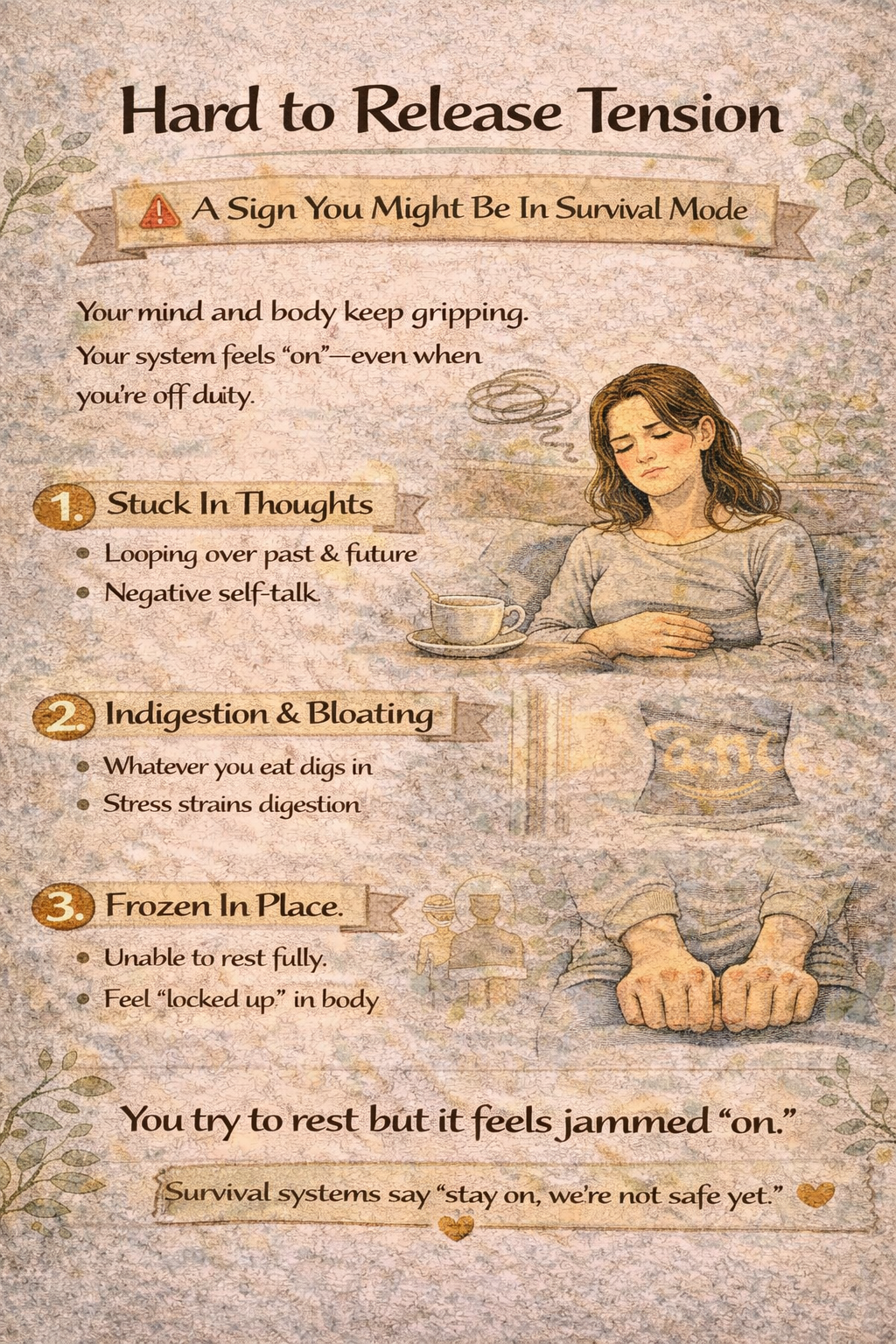
Many people believe survival mode only happens during crisis. In reality, it can become a long term way of functioning that feels so normal you no longer notice it. You keep going, managing responsibilities, showing up for others, and staying productive, yet something always feels tense beneath the surface.
Living in survival mode means your nervous system is stuck in fight or flight, even when no immediate danger is present. This state can quietly affect mood, relationships, health, and daily functioning. Recognizing the signs is the first step toward shifting into regulation and recovery.
At Let’s Talk 4 Health, we often help individuals identify chronic stress patterns that have gone unnoticed for years. You can learn more about our approach to emotional wellbeing by visiting our home page.
What Survival Mode Really Means
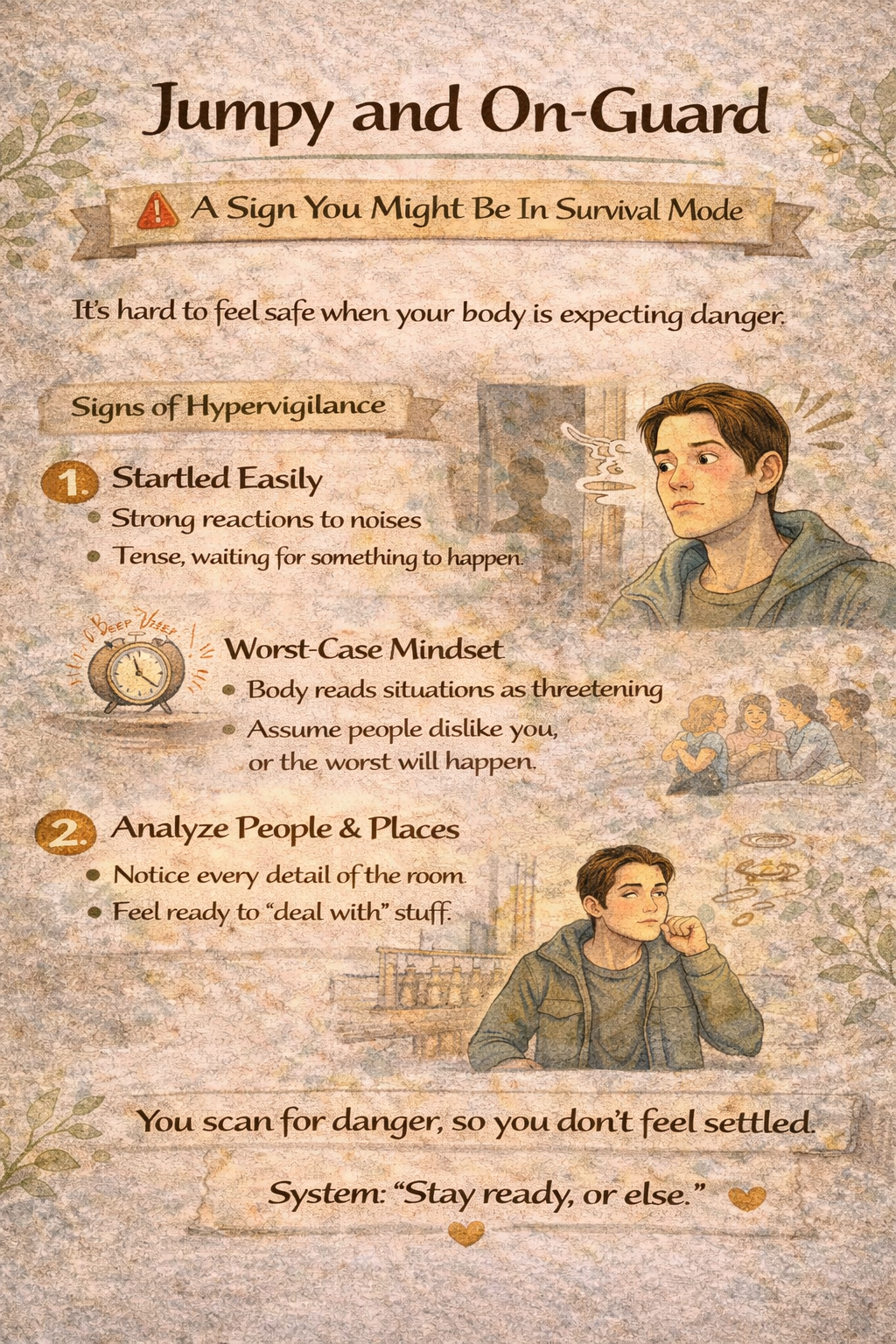
Survival mode is the body’s protective response to perceived threat. When activated, the nervous system prepares you to respond quickly. Heart rate increases, muscles tense, attention narrows, and stress hormones rise.
This response is helpful in short bursts. The problem arises when it never turns off. Long term stress, caregiving roles, financial pressure, trauma history, or constant responsibility can keep the system activated for months or years.
Over time, survival mode becomes your baseline. Calm may feel unfamiliar or even uncomfortable. Support through Florida online mental health counseling can help identify these patterns.
Physical Signs Your Body Is Stuck in Stress
The body often shows survival mode before the mind recognizes it. Common physical signs include:
Persistent muscle tension, especially in the neck and shoulders
Headaches or jaw clenching
Digestive issues
Shallow breathing
Fatigue that does not improve with rest
Difficulty sleeping or feeling wired at night
These symptoms reflect a nervous system that has not returned to a state of safety.
Learning to interpret body signals is part of regulation work in Florida telemental health therapy.
Emotional Signs of Chronic Fight or Flight
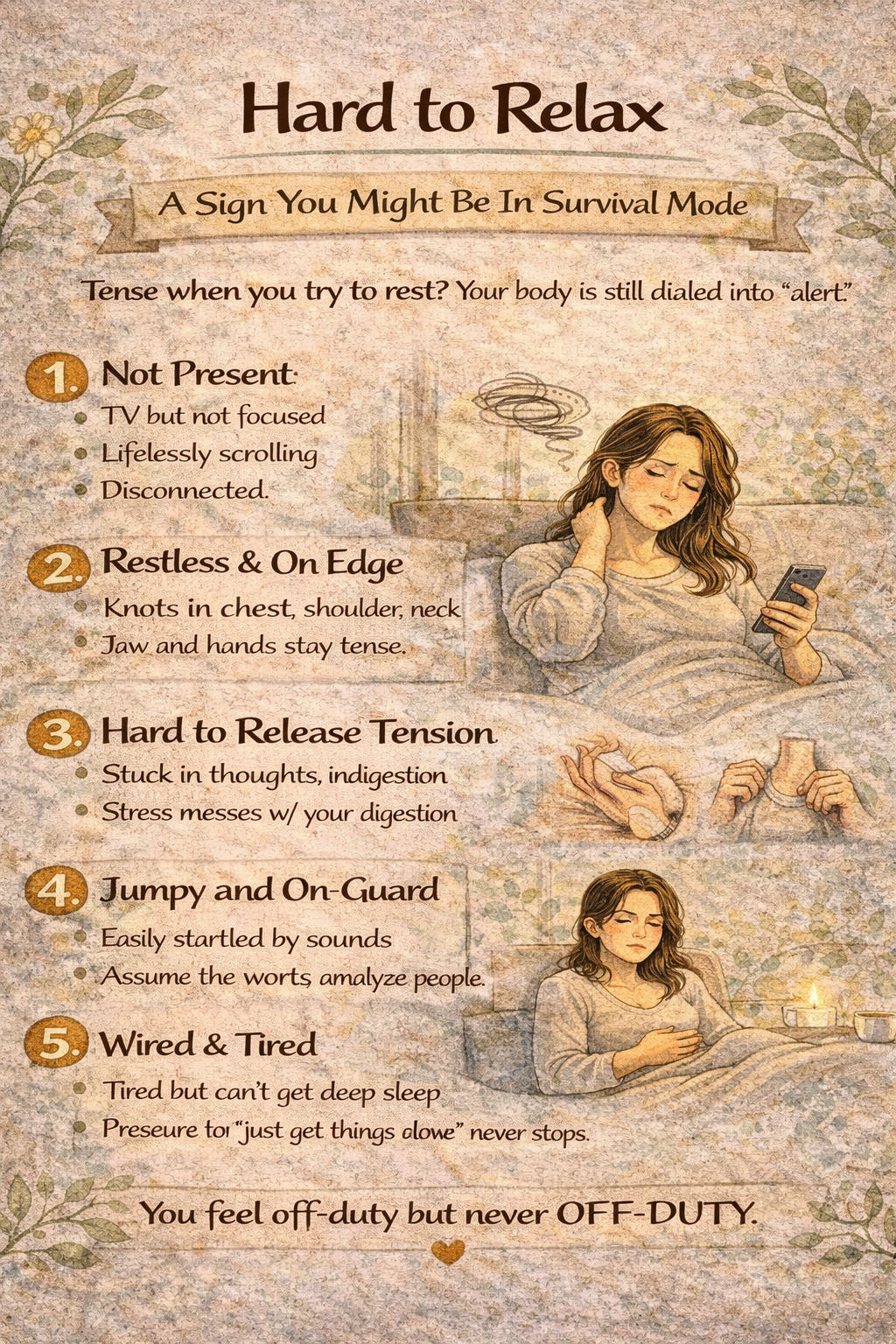
Survival mode affects emotions as well as the body. Emotional signs often include:
Irritability or impatience
Feeling emotionally numb or disconnected
Heightened anxiety or constant worry
Feeling on edge even during calm moments
Difficulty relaxing or enjoying downtime
When the nervous system is overloaded, emotional flexibility decreases. Small stressors feel bigger, and recovery takes longer.
Behavioral Patterns Linked to Survival Mode
Certain behaviors often develop when the nervous system stays activated. These behaviors are protective, not personal flaws.
You may notice:
Overworking or constant busyness
Difficulty saying no
Avoiding rest
Procrastination due to overwhelm
Withdrawing from others when exhausted
These patterns keep the cycle going, even though they initially helped you cope.
Exploring these behaviors with support through online therapy in Florida can help break the loop.
Why Survival Mode Feels Normal
If stress has been present for a long time, the body adapts. High alert begins to feel like your natural state. Slowing down may trigger anxiety or guilt because calm feels unfamiliar.
This does not mean you cannot change. It means your system needs gradual, consistent signals of safety.
Steps to Shift From Survival to Regulation
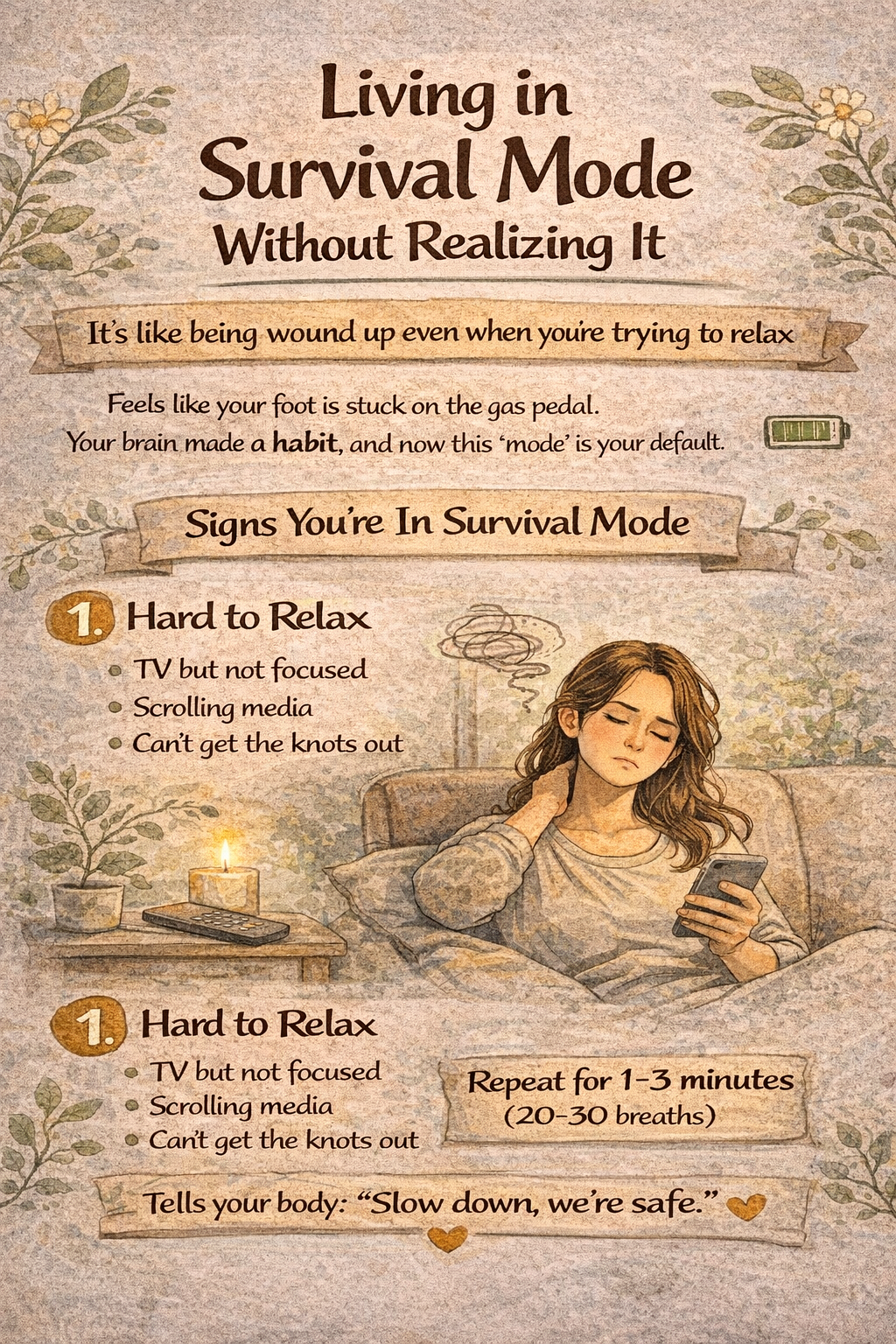
Moving out of survival mode does not happen instantly. It requires gentle, repeated experiences of safety.
Helpful steps include:
Start with the body
Slow breathing, stretching, and gentle movement help signal safety to the nervous system.
Reduce overload
Limit unnecessary commitments and build rest into routines.
Practice grounding
Focus on present sensations such as sounds, textures, or temperature.
Allow emotional processing
Unacknowledged emotions often keep the stress cycle active.
Many individuals learn how to apply these tools effectively through Florida telemental health services.
The Role of Boundaries and Support
Shifting out of survival mode often requires changes in boundaries. This may include saying no more often, asking for help, or adjusting expectations.
Support from others helps the nervous system feel safer. This might involve trusted relationships or professional care. For structured guidance around pacing and accountability, online mental health coaching in Florida can be helpful.
When Professional Help Can Make a Difference
If survival mode has been present for a long time, professional support can help retrain the nervous system. Therapy provides tools for regulation, emotional processing, and sustainable lifestyle shifts.
Many common questions about starting therapy are answered on our telehealth therapy FAQs page. If you feel ready to reach out, you can begin through our contact page for anxiety and depression support.
Why Choose Let’s Talk 4 Health
Let’s Talk 4 Health offers compassionate, evidence based care for individuals navigating chronic stress and nervous system dysregulation. With over 35 years of experience, Michelle Albo, LMHC, MCAP, CTP, leads the practice with a focus on sustainable healing.
You can learn more about our providers by visiting our meet our team page. For information on confidentiality, please review our privacy policy.
You Can Move Beyond Survival Mode
Living in survival mode for a long time can make change feel impossible. But the nervous system is adaptable. With small, consistent steps and support, your body can learn that it is safe to slow down.
Recognizing the signs is not a failure. It is the beginning of recovery.