
Emotional Hangovers: Why You Feel Drained After Social Time
Have you ever left a gathering, meeting, or family event feeling completely wiped out, even if nothing “bad” happened? You might feel irritable, foggy, emotionally flat, or unusually sensitive the next day. This experience is often described as an emotional hangover.
An emotional hangover is the mental and physical exhaustion that follows intense or prolonged social interaction. It is especially common for people who are sensitive to stimulation, manage anxiety, or spend a lot of energy navigating social expectations. Understanding why this happens can help you recover more effectively and manage your energy before and after events.
At Let’s Talk 4 Health, we often help individuals understand how social environments affect the nervous system. You can learn more about our approach to emotional wellbeing by visiting ourhome page.
What Is an Emotional Hangover?
An emotional hangover is not a sign that you dislike people or are antisocial. It is a sign that your nervous system has worked hard.
During social interactions, the brain processes conversation, body language, noise, movement, and emotional cues all at once. This level of stimulation can overload the nervous system, especially when events are long, crowded, or emotionally charged.
After the event ends, the body shifts from high alert to depletion. This transition can feel like:
Fatigue or heaviness
Irritability or low mood
Difficulty concentrating
Sensitivity to noise or light
A strong need for solitude
If these patterns feel familiar, support through Florida online mental health counseling can help you understand your nervous system responses more clearly.
Overstimulation and the Nervous System
Social environments are often rich in sensory input. Conversations overlap, music plays, lights are bright, and emotional dynamics shift quickly. The nervous system continuously scans and responds to all of this information.
For some people, especially those already stressed or emotionally tired, this level of input leads to overstimulation. The sympathetic nervous system activates, increasing alertness and energy use. While this can feel manageable in the moment, it is draining over time.
When the event ends, the body often swings toward exhaustion. This is not weakness. It is the nervous system moving out of high activation.
Learning how to regulate this response is a key focus ofFlorida telemental health therapy.
The Hidden Cost of Social Masking
Social masking refers to adjusting your behavior, tone, or emotions to fit social expectations. This might include appearing more cheerful, hiding stress, avoiding conflict, or monitoring how you are perceived.
Masking requires constant mental effort. The brain tracks social cues while suppressing authentic responses. Over time, this creates emotional strain.
After prolonged masking, emotional fatigue often appears. You may feel disconnected, flat, or unusually emotional once you are alone. Therapy can help individuals explore masking patterns through online therapy in Florida.
Why You Might Feel Low After a Good Event
Emotional hangovers can happen even after positive experiences. Excitement, laughter, and connection still activate the nervous system. Any high emotional state requires recovery.
When stimulation drops, the body may feel a temporary emotional dip. This does not mean the event was harmful. It means your system needs time to recalibrate.
Managing Energy Before Social Events
Preventing emotional hangovers starts before the event.
Helpful strategies include:
Limiting commitments earlier in the day
Eating and resting before going out
Deciding in advance how long you will stay
Giving yourself permission to leave early
Planning ahead protects your energy and reduces cognitive strain. For individuals seeking structured tools around pacing and balance, online mental health coaching in Florida can help.
Recovery Rituals After Social Time
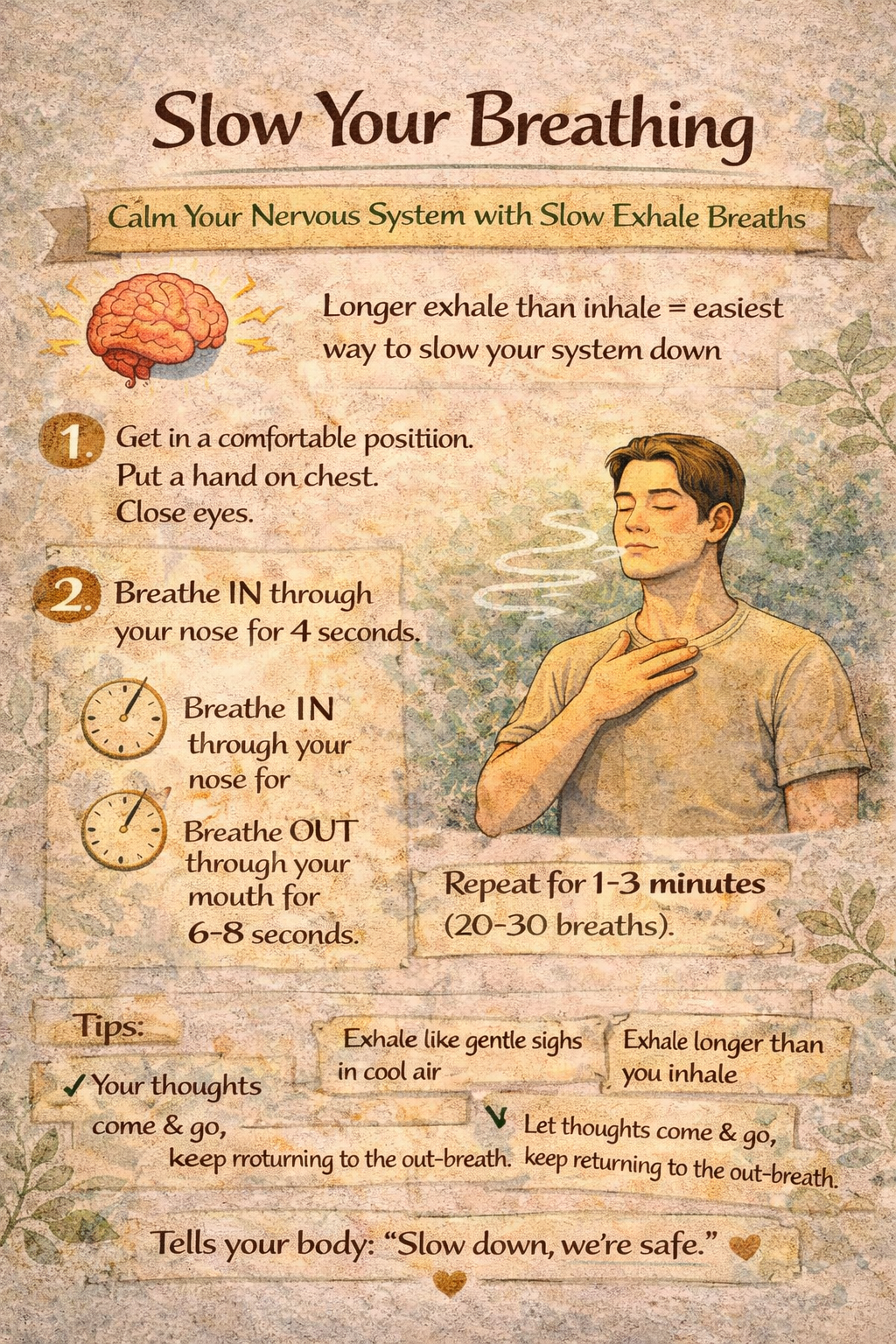
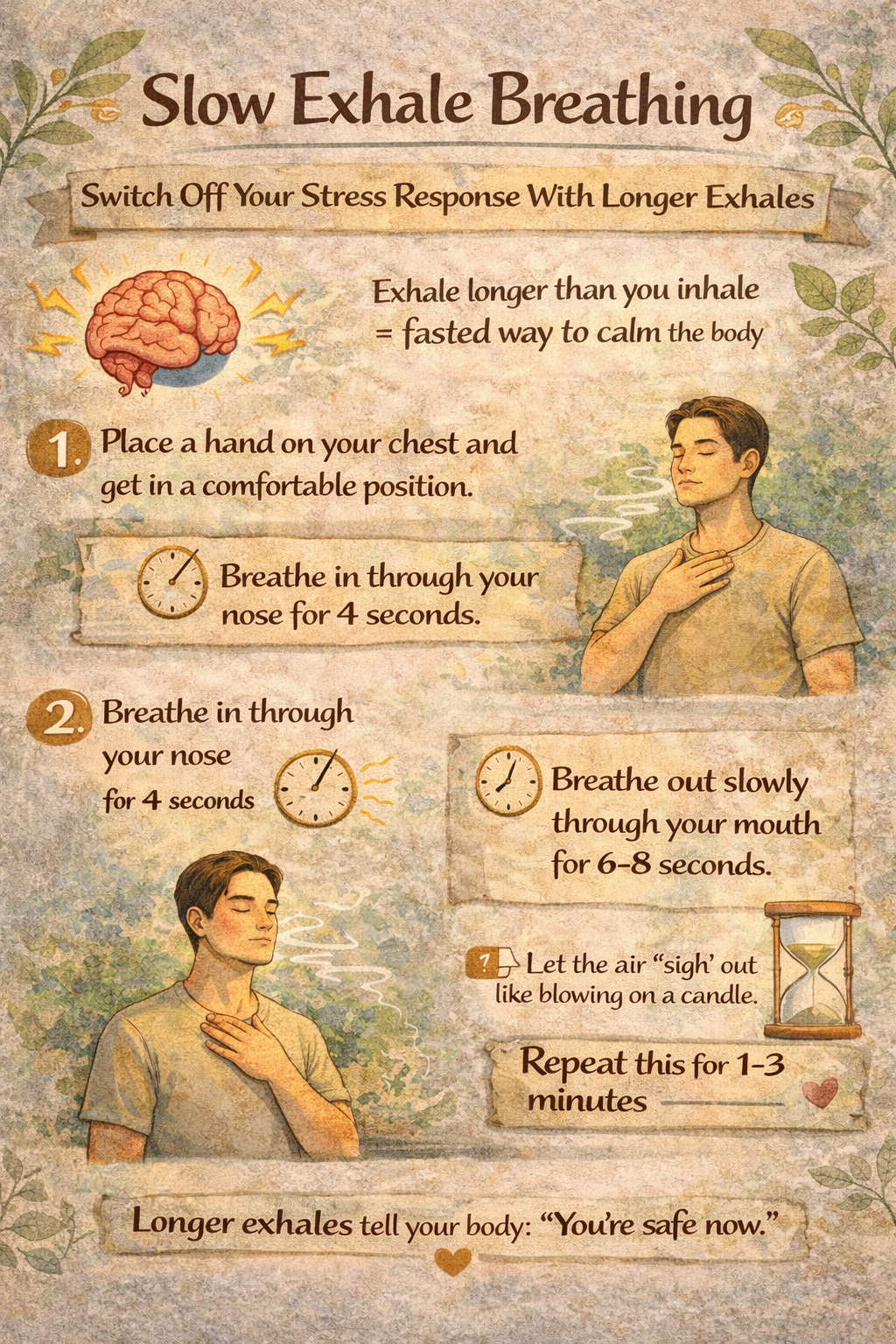
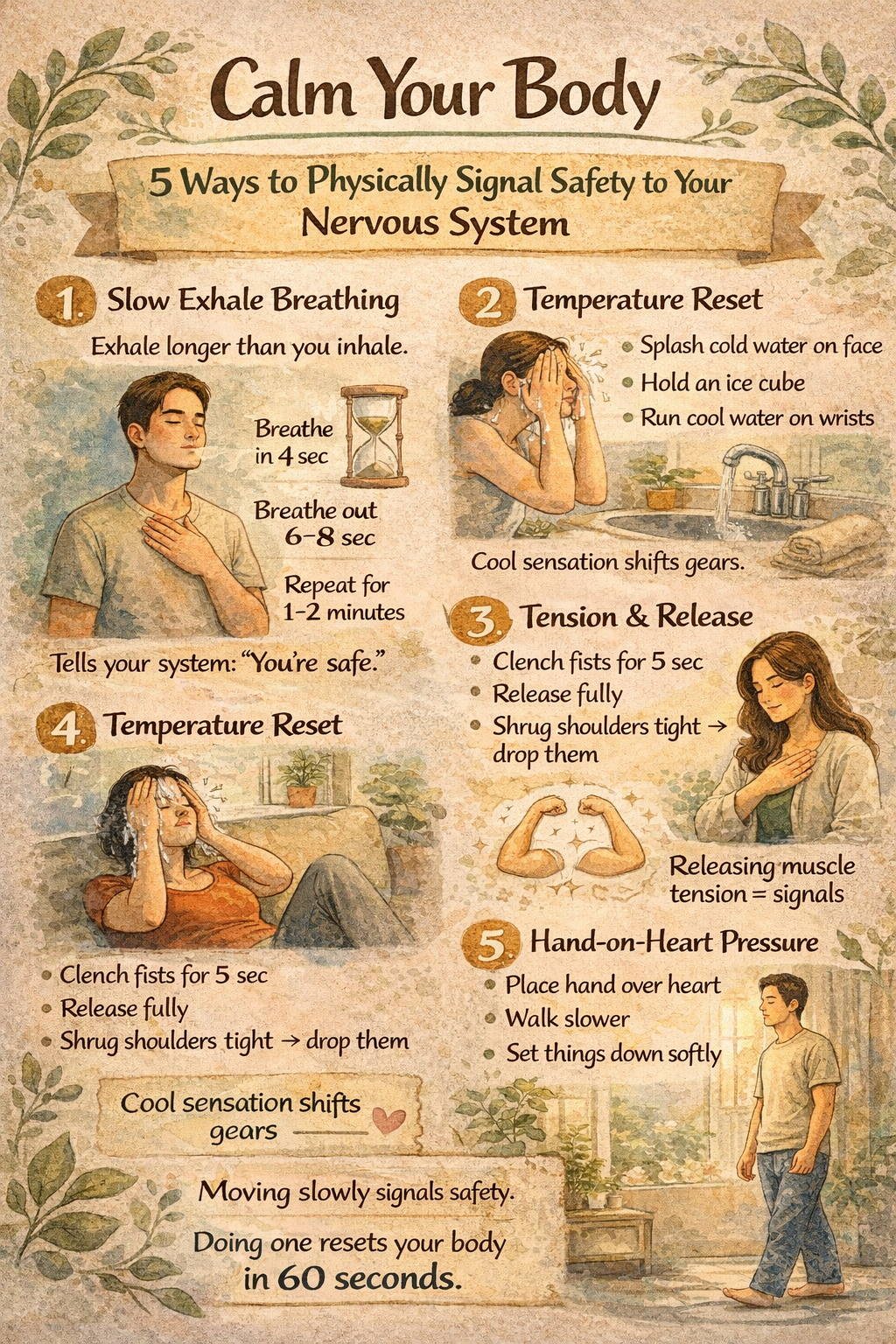
Recovery is not avoidance. It is nervous system care.
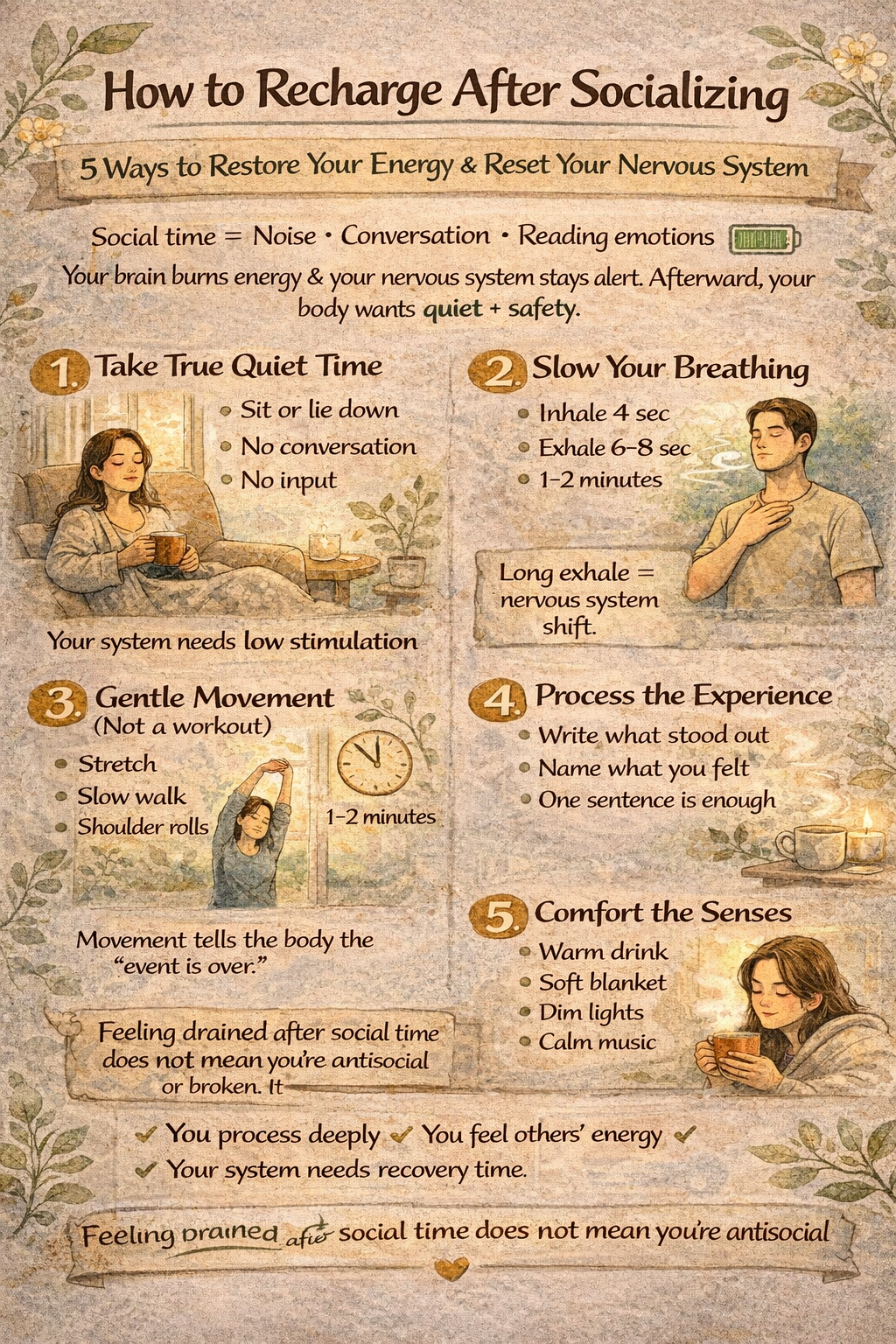
Helpful recovery rituals include:
Spending quiet time alone
Gentle movement such as stretching or walking
Reducing sensory input by dimming lights or limiting noise
Drinking water and eating nourishing meals
Engaging in calming activities like reading or listening to music
These practices help the body shift from activation to regulation. Many clients learn how to support this transition through Florida telemental health services.
Recognizing Your Personal Capacity
Everyone has a different social capacity. Comparing yourself to others often increases shame and overextension. Emotional resilience grows when you respect your limits rather than push past them.
Understanding your patterns allows you to plan social time in ways that feel sustainable.
When Social Exhaustion Feels Constant
If social interactions consistently lead to anxiety, shutdown, or prolonged emotional crashes, professional support can help. Therapy provides tools for boundary setting, nervous system regulation, and reducing masking strain.
Common questions about starting therapy are answered on our telehealth therapy FAQs page. If you are ready to reach out, you can begin through our contact page for anxiety and depression support.
Why Choose Let’s Talk 4 Health
Let’s Talk 4 Health offers compassionate, evidence based care for individuals navigating social stress and emotional fatigue. With over 35 years of experience, Michelle Albo, LMHC, MCAP, CTP, leads the practice with a focus on sustainable emotional wellbeing.
You can learn more about our providers by visiting our meet our team page. For details on confidentiality, please review our privacy policy.
Social Time Can Be Nourishing and Draining
Feeling drained after social time does not mean you did something wrong. It means your nervous system worked hard. With preparation, boundaries, and recovery rituals, social experiences can feel more balanced and less depleting.
Your energy is a resource. Learning how to protect and replenish it is part of emotional health.