
Why You Feel Worse at Night: The Psychology of Evening Anxiety
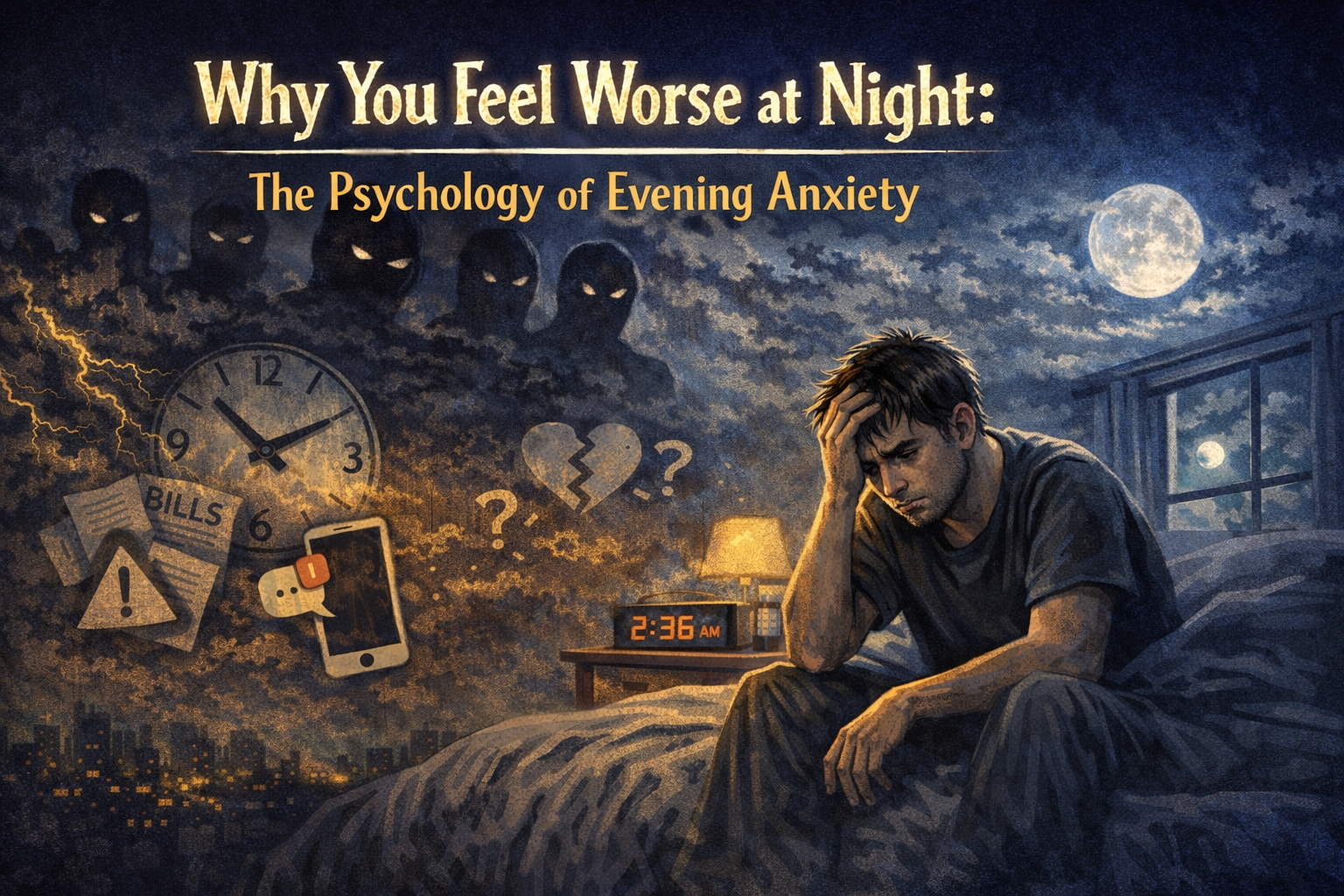
For many people, anxiety feels louder at night.
During the day, responsibilities, conversations, tasks, and distractions keep the mind occupied. But when evening comes and the world quiets down, thoughts often grow louder. Worries feel heavier. Emotions feel closer to the surface. Sleep may become difficult.
If you find yourself feeling more anxious, sad, or restless at night, you are not alone. Evening anxiety is common, and it has both biological and psychological explanations. Understanding what is happening in your body and mind can make this pattern feel less confusing and more manageable.
At Let’s Talk 4 Health, we often help individuals unpack nighttime anxiety and build sustainable regulation strategies. You can learn more about our approach by visiting our home page.
The Biology Behind Evening Anxiety
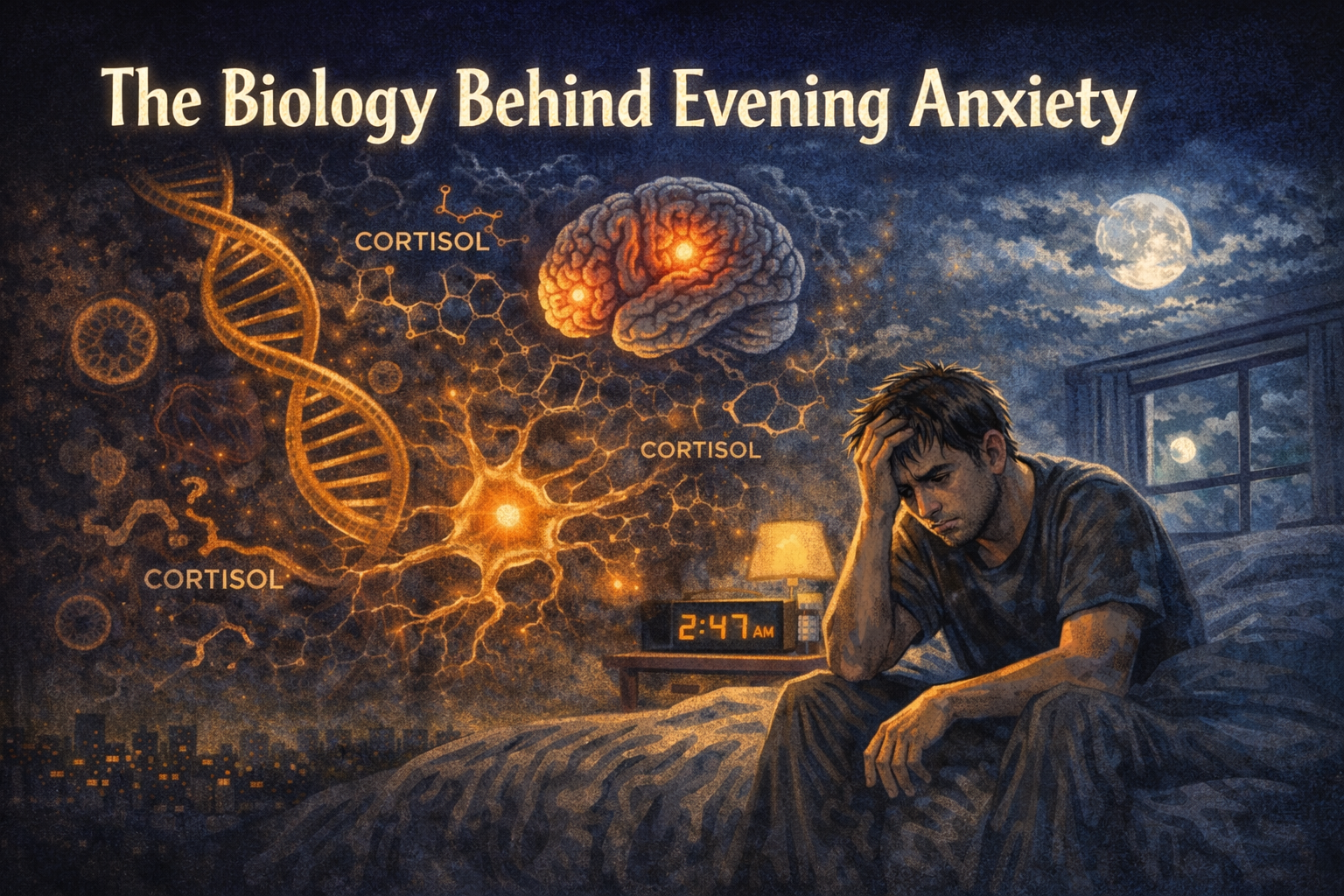
Your body runs on a circadian rhythm, a 24 hour internal clock that regulates hormones, energy, and sleep. One of the key hormones involved in stress is cortisol.
Cortisol naturally rises in the morning to help you wake up and gradually decreases throughout the day. By evening, cortisol levels are typically lower. While this helps prepare the body for rest, it can also reduce your sense of alert control.
When cortisol drops, you may feel more emotionally exposed. During the day, higher activation can keep worries contained. At night, with less physiological buffer, emotions may feel more intense.
For individuals who struggle with chronic stress, this shift can make nighttime feel especially vulnerable. Support through Florida online mental health counseling can help you better understand your stress patterns.
Reduced Distraction Makes Thoughts Louder
Daytime is structured. There are tasks to complete, conversations to have, emails to answer, and decisions to make. Even if stress is present, attention is divided.
At night, distraction fades. Without external stimulation, internal thoughts move to the forefront.
Unprocessed worries, unresolved conversations, future planning, and self reflection all compete for attention. The mind fills the quiet with mental activity.
This does not mean something is wrong. It means your brain finally has space to process.
Therapy can help create intentional processing space during the day so it does not all spill into nighttime through online therapy in Florida.
Emotional Processing Happens When You Slow Down
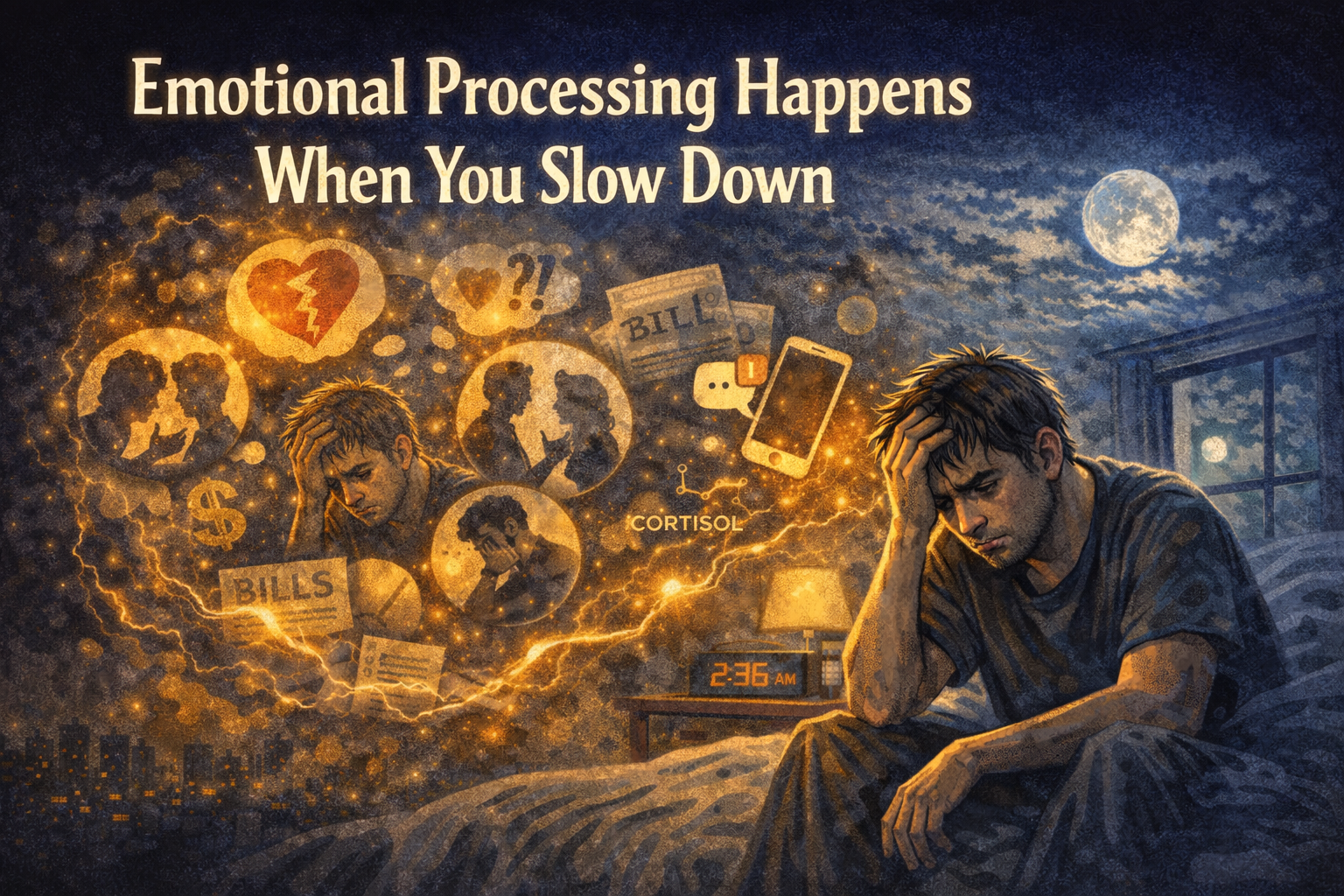
When you move through the day in productivity mode, emotions are often postponed. You push through discomfort to get things done.
At night, when the body slows, stored emotions may rise. This can show up as:
Sudden sadness
Anxiety about conversations earlier in the day
Regret or self criticism
Fear about the future
Restlessness without a clear cause
Your nervous system may be attempting to process what it did not have time to process earlier.
Learning how to regulate and gradually process emotions is part of the work in Florida telemental health therapy.
The Nervous System and “Letting Your Guard Down”
If you have been operating in survival mode or chronic stress, nighttime can feel unsafe because it requires letting your guard down.
For some, quiet equals vulnerability. When the environment becomes still, the body may resist relaxing. This can lead to racing thoughts, muscle tension, or difficulty falling asleep.
Your system may not yet trust stillness.
Building safety in calm moments takes repetition and gentle practice. Many individuals strengthen this skill through Florida telemental health services.
Why Self Criticism Intensifies at Night
Self critical thoughts often grow louder in the evening. Without distraction, the mind may replay conversations, analyze mistakes, or question decisions.
Fatigue also reduces cognitive flexibility. When you are tired, it is harder to challenge negative thoughts or generate balanced perspectives. The brain defaults to familiar patterns.
This is one reason evening anxiety can feel heavier than daytime stress.
Practical Wind Down Strategies That Actually Help
Managing evening anxiety is not about forcing relaxation. It is about signaling safety to the nervous system gradually.
Here are evidence informed strategies that can help:
1. Create a Predictable Wind Down Routine
A consistent sequence before bed signals safety. This might include dimming lights, limiting screens, showering, stretching, or reading.
Routine reduces decision fatigue and helps the body transition into rest.
2. Externalize Your Thoughts
Instead of carrying worries into bed, write them down. Create a short “tomorrow list” for tasks and a “parking lot” for worries. This reassures the brain that concerns are contained.
3. Use Gentle Regulation Techniques
Slow breathing with longer exhales activates the parasympathetic nervous system. Gentle stretching or progressive muscle relaxation can reduce tension.
4. Avoid Sudden Silence
For some people, complete silence increases anxiety. Soft background noise, calming music, or white noise can provide a steady sensory anchor.
5. Adjust Expectations
Not every night will feel calm. The goal is regulation, not perfection. Some evenings will require more support than others.
For structured support in building routines and emotional regulation tools, online mental health coaching in Florida may be helpful
When Night Anxiety Signals Something Deeper
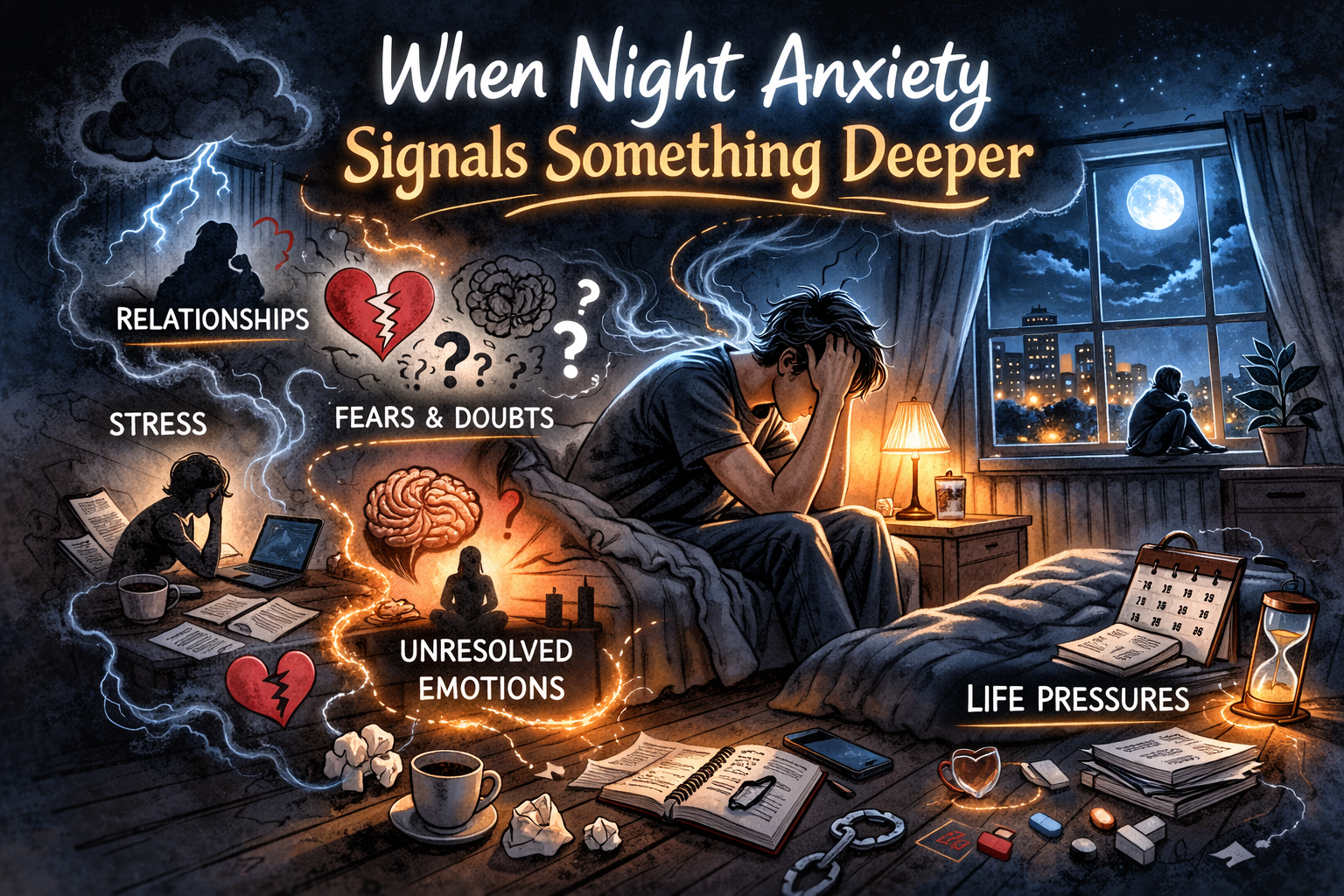
If nighttime anxiety includes panic attacks, persistent insomnia, intrusive thoughts, or worsening depression, professional support can make a meaningful difference.
Evening anxiety may be connected to generalized anxiety, trauma history, burnout, or mood disorders. Clarifying what is happening reduces uncertainty and increases confidence.
You can review common questions about starting therapy on our telehealth therapy FAQs page. If you are ready to reach out, you can begin through our contact page for anxiety and depression support.
Why Choose Let’s Talk 4 Health
Let’s Talk 4 Health provides compassionate, evidence based mental health care for individuals navigating anxiety, burnout, and nervous system dysregulation. With over 35 years of experience, Michelle Albo, LMHC, MCAP, CTP, leads the practice with a focus on practical tools and sustainable emotional wellbeing.
You can learn more about our providers by visiting our meet our team page. For information about confidentiality and privacy, please review our privacy policy.
Night Does Not Mean Something Is Wrong
If you feel worse at night, it does not mean you are failing or regressing. It means your system is shifting states. When distractions fade, what needs attention often rises.
With understanding, structure, and gentle regulation, evenings can become less overwhelming and more restorative.
You do not have to face nighttime anxiety alone. Support is available, and calm can be rebuilt step by step.